Home / Comparisons / Reach truck vs Counterbalance
Reach truck vs Counterbalance
Both are on our forklift line. This page sets out which one your building and duty actually call for, because the wrong answer here forces a racking redesign after delivery.
Racking-only work in a tight aisle favours the reach truck; mixed duties, outdoor work and trailer loading favour the counterbalance.
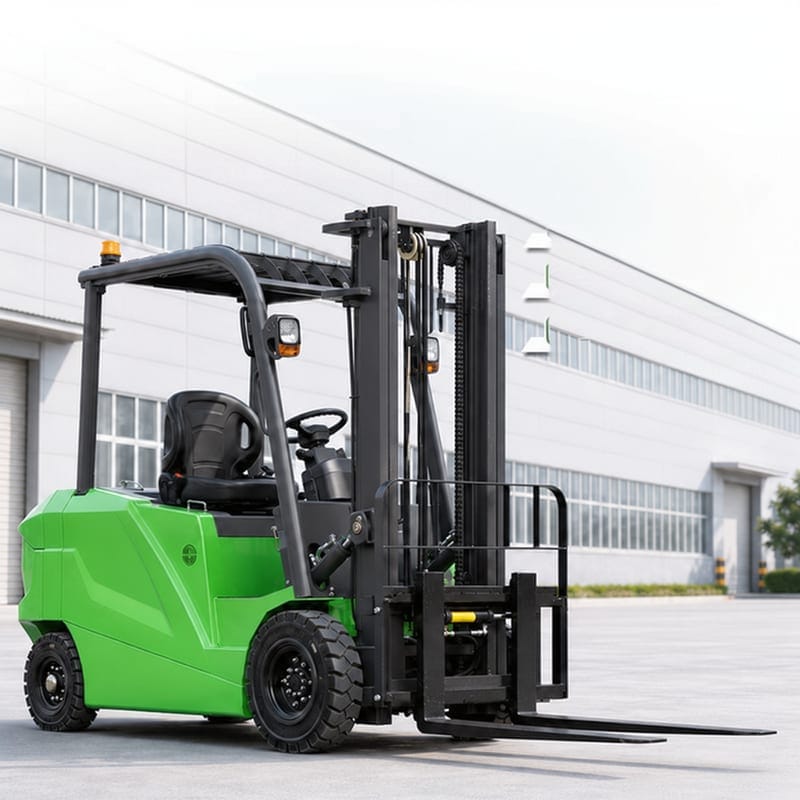
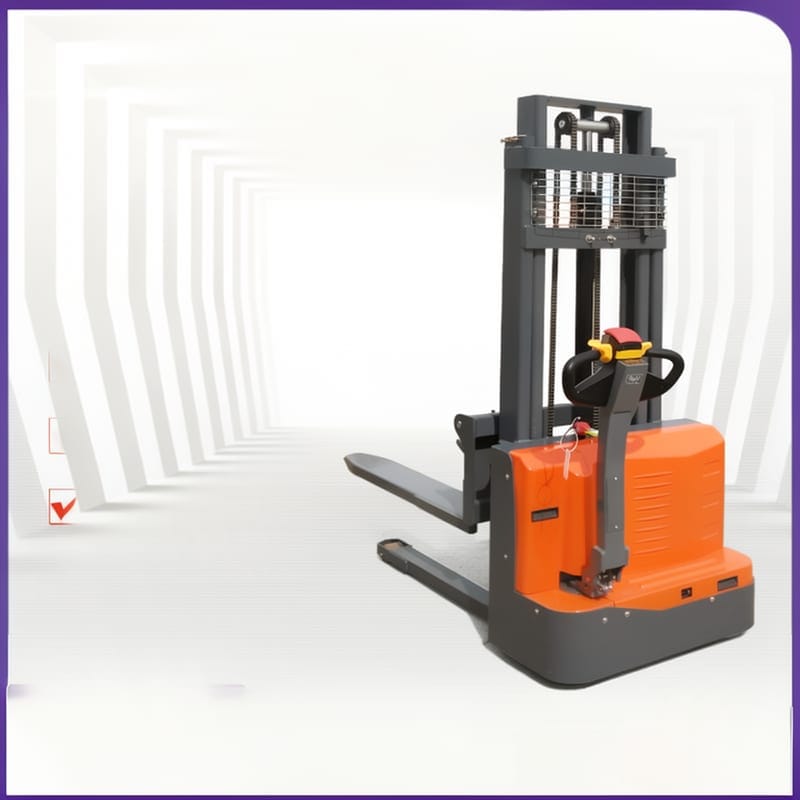
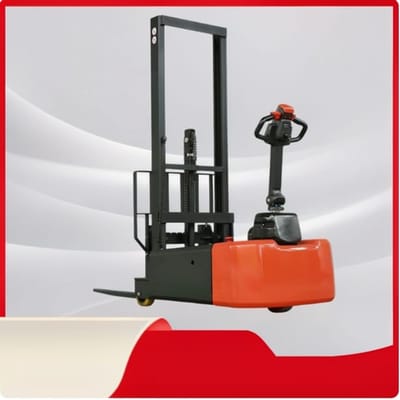
The reach truck turns within a narrower aisle because the mast moves forward instead of the whole truck pivoting, which is why it suits high racking in tight warehouses. The counterbalance truck is more versatile — it handles trailers, ramps, outdoor surfaces and attachments more naturally. The aisle measurement and the duty mix decide between them.
Reach truck · Counterbalance
| Dimension | Reach truck | Counterbalance |
|---|---|---|
| Aisle width required | Narrower; the mast reaches into the rack | Wider; the truck body must pivot |
| High racking | Suited to tall, dense racking | Workable, but needs more aisle for the same height |
| Outdoor use | Not intended for it | Suited to yards and mixed surfaces |
| Trailer and container work | Restricted by stability and reach geometry | Well suited, especially with free lift |
| Attachments | Fewer options; depends on the carriage | Wide range of attachment support |
| Storage density gained | Higher, through narrower aisles | Lower, because the aisle has to be wider |
| Operator learning curve | Needs specific training; different feel | Familiar layout, widely used |
| Best fit | Racking-only warehouse with tight aisles | Mixed duty, trailers, ramps, outdoor areas |
Choose this when Reach truck
- The building is racking-only
- Aisle width is the binding constraint
- Storage density is the priority
- No outdoor or trailer work is needed
Choose this when Counterbalance
- The machine has to work in more than one place
- Trailers, ramps or docks are involved
- Outdoor surfaces are part of the duty
- You need attachments such as clamps or positioners
Confirm before you order
Once these are settled, the choice usually stops being contentious.
- Aisle width measured at the narrowest point
- Racking height to the highest beam
- Whether the machine must also work outdoors
- Whether trailers or containers are loaded
- Attachments required and their carriage class
Common questions
Can a counterbalance truck work in a narrow aisle?
It can work in a narrower aisle than many buyers expect, but not as narrow as a reach truck of the same capacity, because the whole truck has to pivot. If your aisle is the constraint, that difference is what decides it.
Can a reach truck load a trailer?
It is not what the machine is designed for, and stability geometry works against it. If trailer or container work is part of the duty, a counterbalance truck with free lift is usually the honest answer.
Which is cheaper?
It varies with capacity, mast and battery configuration, so there is no single answer — and choosing on price alone tends to produce the wrong machine. What we can say is that the wrong choice costs more through lost storage density or a racking redesign than the difference between the two.
Do I need both types?
In larger operations, often yes: a reach truck for the racking and a counterbalance for trailers and outdoor work. Tell us the duty mix and we will show what a single machine can cover versus what genuinely needs two.
Other comparisons
Not sure which case you are?
Describe the actual conditions — load, site, destination — and we will place it and tell you which questions matter.