Home / Comparisons / Electric vs Diesel
Electric vs Diesel
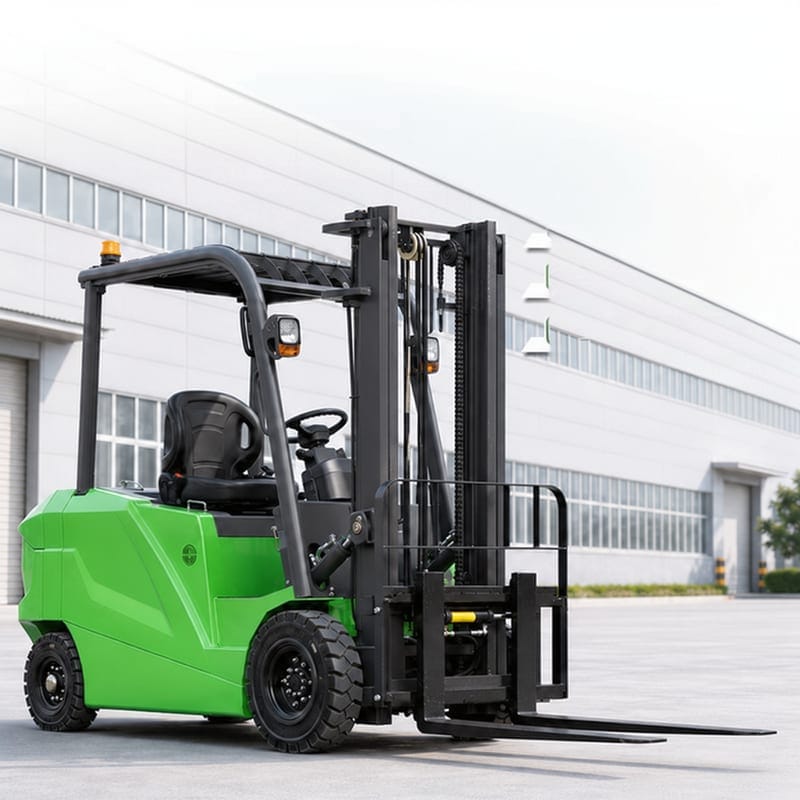
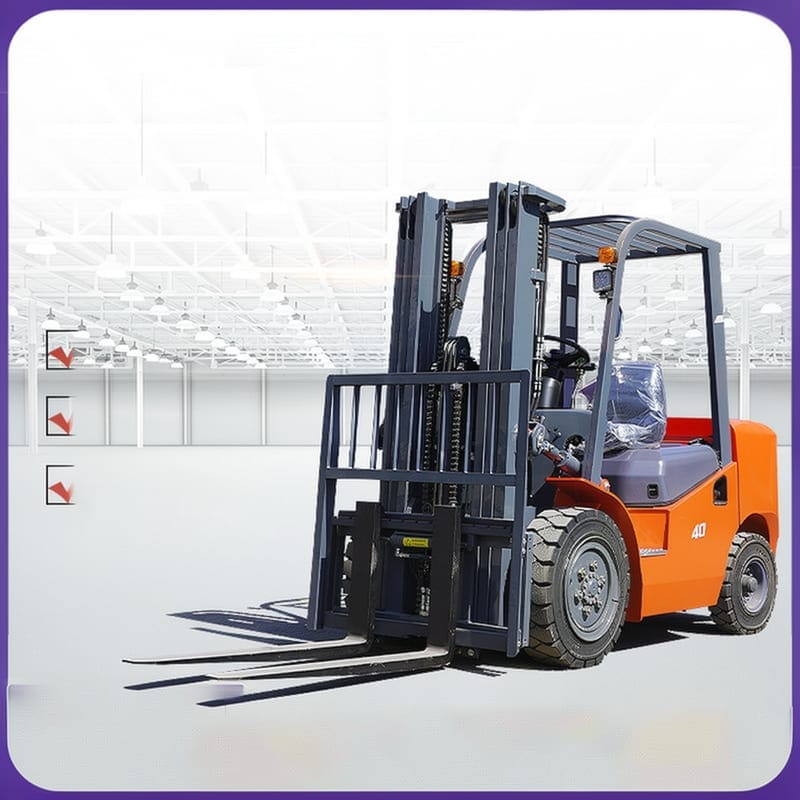
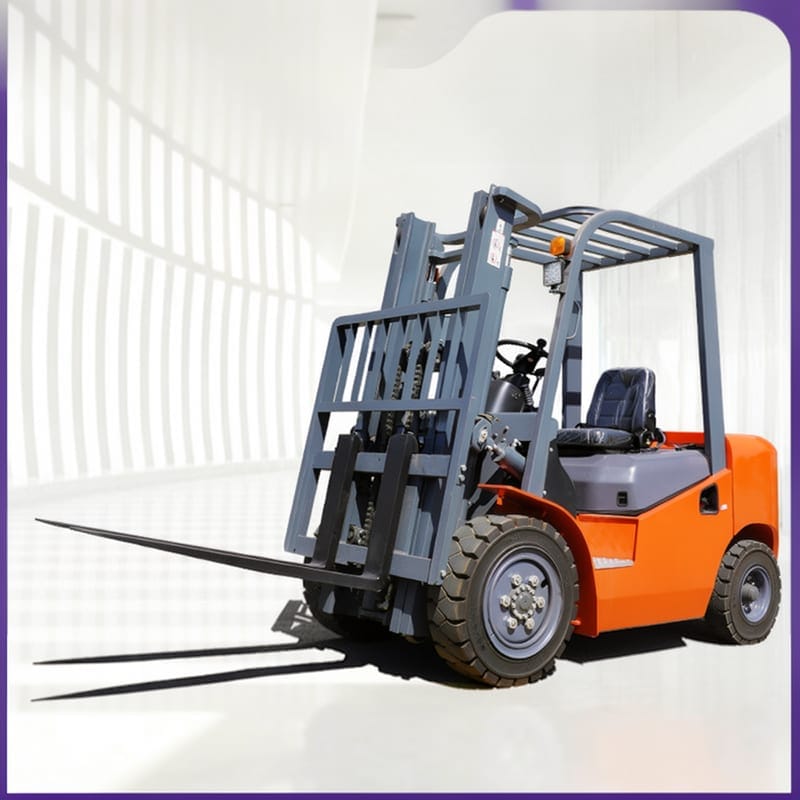
Both routes are on our forklift line, so this page is not written to steer you either way. It sets out the conditions under which each one is the honest answer.
Indoor work and emissions rules favour electric; long outdoor shifts on rough ground without charging access still favour diesel.
The decision follows the site, not a preference. Enclosed buildings and emissions rules rule diesel out. Long outdoor shifts on rough ground without reliable charging rule electric out on practicality. Everything in between is a question of duty cycle, charging access and ground surface, which is what we ask about first.
Electric · Diesel
| Dimension | Electric | Diesel |
|---|---|---|
| Indoor use | No exhaust; suited to enclosed buildings and food plants | Exhaust gas; generally unsuitable indoors |
| Emissions rules | Advantaged where combustion is restricted | Restricted or banned in some enclosed and urban settings |
| Rough or soft ground | Limited by tyre choice and clearance | Better suited; more clearance and traction |
| Shift length | Bounded by battery strategy and charging access | Refuelling is quick and range is not the constraint |
| Charging or refuelling infrastructure | Requires a charging area and electrical capacity | Requires fuel supply and safe storage |
| Running cost | Generally lower per hour where electricity is available | Higher fuel cost, more servicing items |
| Noise and vibration | Quieter; less operator fatigue over a shift | Noisier; more vibration |
| Best fit | Indoor, multi-shift, warehouse and production | Outdoor, heavy, remote, no charging access |
Choose this when Electric
- The work is inside a building
- Emissions rules restrict combustion engines in your area
- You have or can build a charging area
- Duty is repetitive and predictable
Choose this when Diesel
- The yard is large, rough or unpaved
- Shifts are long and charging access is unreliable
- Refuelling is easier than charging at your site
- The machine works in remote locations
Confirm before you order
Once these are settled, the choice usually stops being contentious.
- Whether combustion engines are permitted at the site
- Ground surface, gradient and drainage
- Charging capacity available, or fuel storage permitted
- Shifts per day and hours per shift
- Destination market emission requirements for a diesel route
Common questions
Can I use an electric forklift outdoors?
Yes, on firm and reasonably smooth surfaces with charging access. The limiting factors are tyre type, ground clearance and whether you can charge between shifts — not the fact that it is outdoors.
Will diesel be banned where I operate?
That depends on your market and whether the machine is used indoors or in regulated urban areas. Tell us the country and application and we will flag what has to be confirmed with your customs broker or local authority, rather than asserting a rule.
Which is cheaper to run?
Electric generally has a lower cost per hour where electricity is available, but that comparison only holds if the duty cycle suits a battery. On a site where charging is impractical, the "cheaper" electric route can cost more in lost hours.
Do you supply both?
Yes. Electric counterbalance, stackers and pallet trucks, plus diesel and rough-terrain routes, are all part of the forklift line. We recommend on your site conditions, not on a house preference.
Other comparisons
Not sure which case you are?
Describe the actual conditions — load, site, destination — and we will place it and tell you which questions matter.