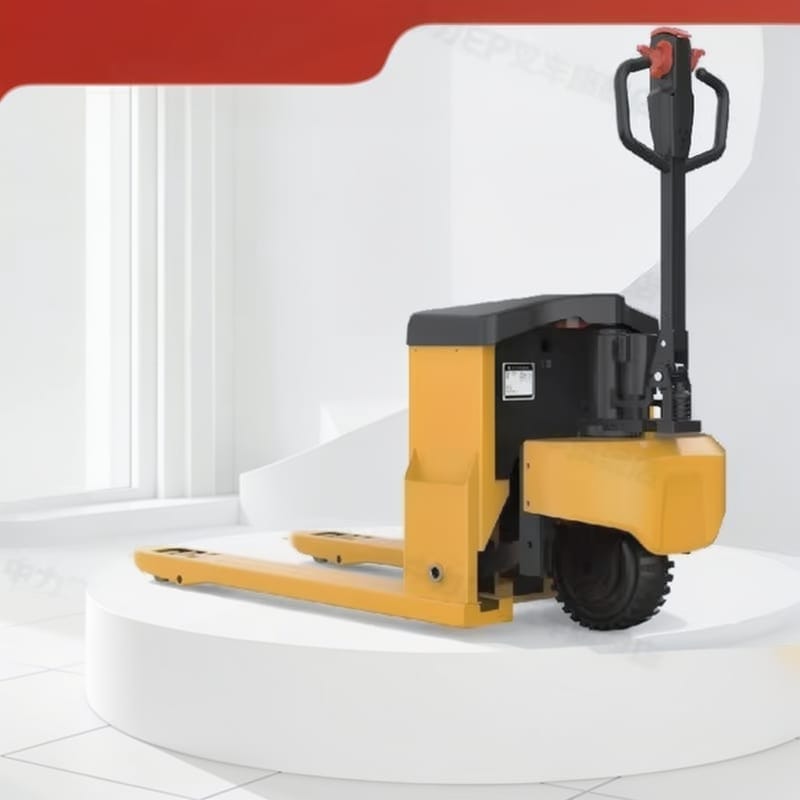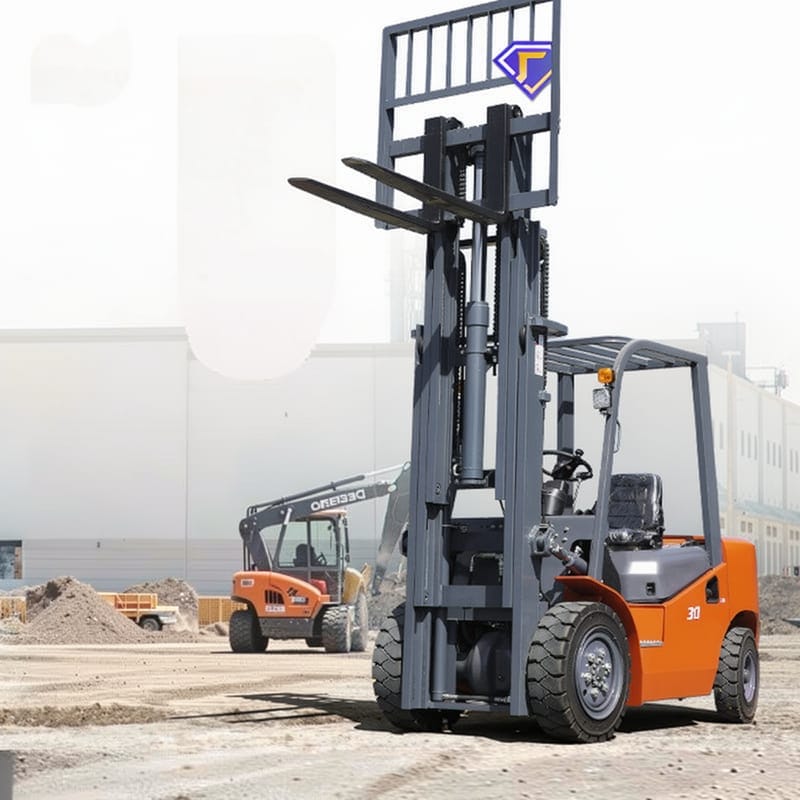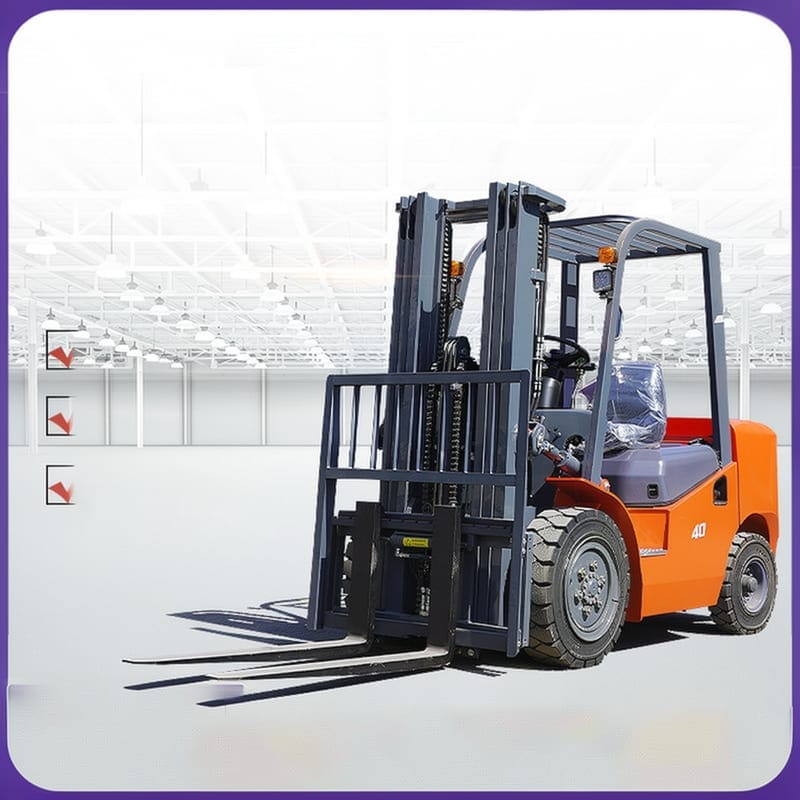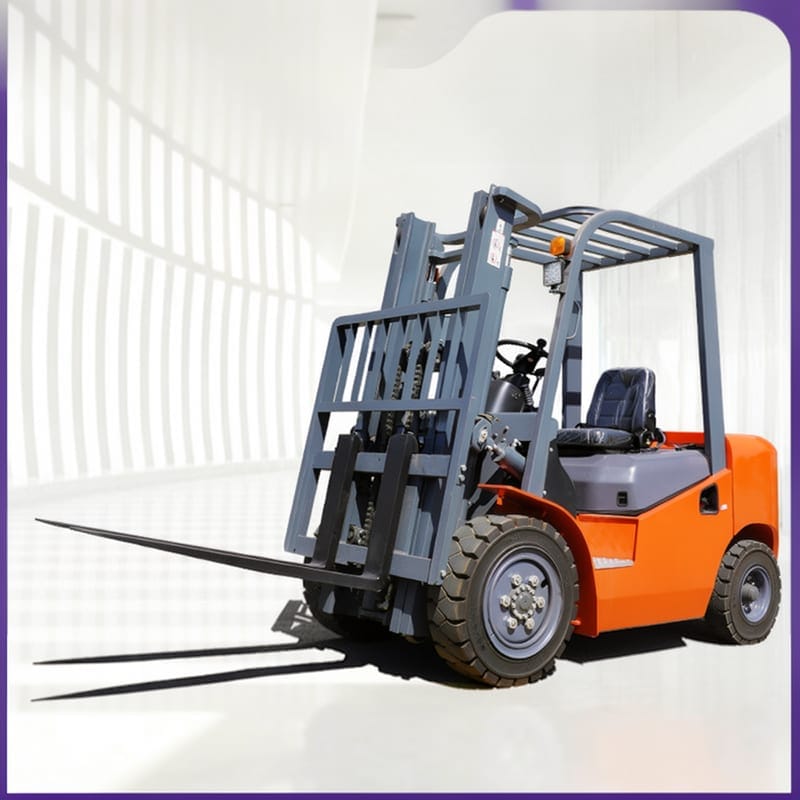
Home / Electric Forklifts

Electric Forklifts

Start with the job, not a model number. Every model page shows reference specifications, supplier routes, and exactly what we need to price it correctly.

0 reference models
0 supplier routes
0 verified listings
0 product categories
By the job

Start with the job, then the model

The wrong machine is usually the wrong scenario, not the wrong number. These are the four situations this equipment is actually bought for.

Where this is used

Find your situation, then the equipment

The same machine behaves differently depending on the business around it. These are the places this equipment actually gets bought to work — and what it changes.

Landscaping & nurseries

Plant nurseries, tree farms and garden centres, where the ground between the yard and the truck is rarely flat.

2–3× pallets per hour vs manual Manual pallet trucks ≈5–10 pallets/h; powered units ≈15–25 on the same route.

What has to move
Potted stock and trayed saplings on pallets, moved from growing beds to the loading bay, often over soil and gravel.
What changes
Pneumatic tyres and a sealed drive keep the truck moving on soft ground, so a pallet goes out on the forks instead of being hand-loaded twice — once onto a trolley, once onto the truck.
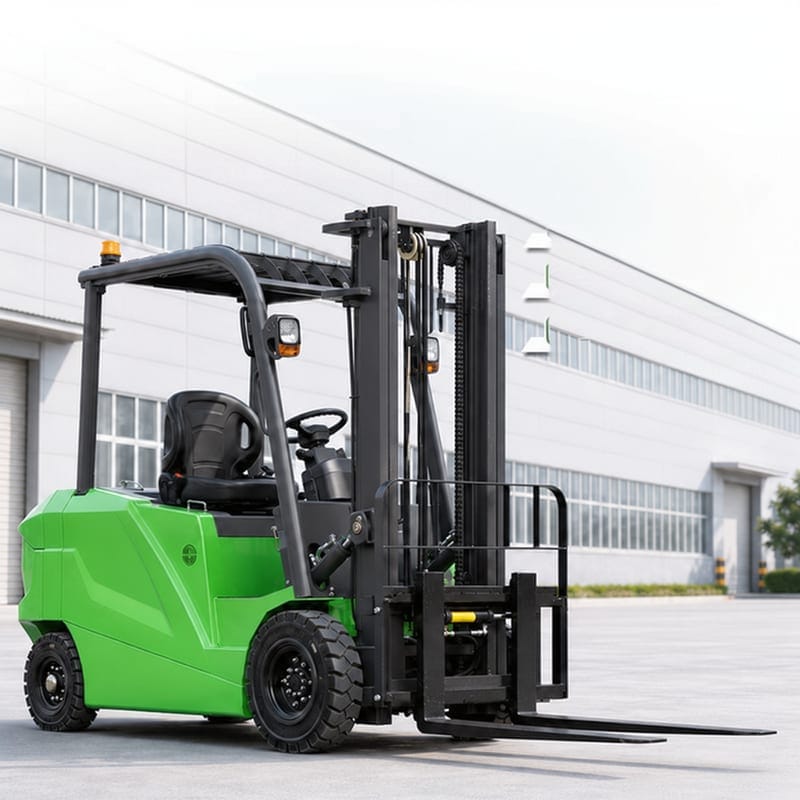
Farms & agricultural stores

Feed, fertiliser, seed and produce handled in bulk, with long runs between the shed and the field.

Loads a person cannot move at all Sustained manual lifting is limited to roughly 50 kg; a loaded pallet is 1.5–3 t.

What has to move
Bulk bags and pallets over dirt and gravel, in weather, on a schedule set by harvest rather than by the clock.
What changes
The rough-terrain and diesel routes are the honest answer here: ground clearance and traction decide whether the load moves at all, and refuelling mid-shift beats waiting on a charge.

Factory floors & production feeding

Raw material in, finished goods out, on a shift pattern that does not tolerate a truck sitting idle.

One shift, no battery swap Opportunity charging at breaks replaces the swap-and-spare-pack routine.

What has to move
Continuous shifts, repeated lifts to a fixed height, ramps between levels, and a maintenance window that is never long enough.
What changes
A lithium route removes the battery room from the equation — opportunity charging during breaks instead of a swap and a spare pack. Fewer moving parts in the drive means the service interval is about inspection, not rebuild.

Warehouses & distribution centres

Racking, aisles and a throughput target. The constraint is almost always the aisle, not the load.

2–3× pallets per hour vs manual Cycle time per pallet drops from ~2.5–3.5 min manual to ~1–1.5 min powered.

What has to move
Pallet in, pallet out, all shift, to heights where mast sway becomes the limiting factor.
What changes
Sizing the truck to the aisle rather than to the heaviest possible load is what buys back storage density — a narrower machine adds racking that a bigger one would have made unusable.

Courier & parcel depots

Volume arrives in bursts, and the dock has to clear before the next vehicle is on the bay.

2–3× pallets per hour vs manual Same class of comparison; the gap widens on long dock runs.

What has to move
Cages, roll containers and loose pallets, moved short distances at speed, with a peak that is far above the daily average.
What changes
Short transfer work is where pallet trucks and stackers beat a counterbalance truck on both cost and turning circle — and a second spare unit at peak costs less than a bigger machine all year.

General materials handling

The mixed case: some pallets, some crates, some awkward loads, and no single machine that covers all of it.

2–4× throughput vs manual handling Published figures put manual handling at 5–10 pallets/h against 20–30 for a counterbalance truck.

What has to move
Whatever the day brings, across a site with more than one surface and more than one building.
What changes
The useful move is usually to split the fleet by duty rather than buy one compromise machine: a counterbalance truck for the heavy lifts, and a stacker or pallet truck covering the frequent short ones.

Small shops & wholesale back-of-house

A stockroom behind the shop floor, a side entrance, and no space to turn a full-size truck.

Lift in 3–5s instead of 10–15s Powered lift versus hand pumping, per lift cycle.

What has to move
Roll cages, stacked cartons and drink pallets, moved a few metres at a time, indoors, around staff and customers.
What changes
Size is the feature. A pallet truck or compact stacker fits the door and the turning space you actually have, and being electric means it can be used while the shop is open.

Markets & wholesale produce

Narrow, crowded, wet floors and a rhythm set by the hours before opening.

2–3× pallets per hour vs manual Applies where a powered unit is allowed on the floor at all.

What has to move
Produce crates and sack trolley loads unloaded and shifted fast, in tight spaces, with water and offcuts underfoot.
What changes
Electric power matters here for a second reason: no exhaust to run indoors or under a canopy, which is often the difference between being allowed to operate on the floor at all.
Self-Loading Forklifts

Self-Loading Forklifts

Truck-climbing electric forklifts for one-person loading. — 1 reference model.

Forklift Batteries, Chargers & Parts

Forklift Batteries, Chargers & Parts

Battery, charger, tyre and wear parts sourced with the machine. — 1 reference model.

Need a specific configuration?

Tell us the load, lift height, battery strategy and destination — we will compare suitable routes for you.