Home / Sealing & Packaging

Sealing & Packaging

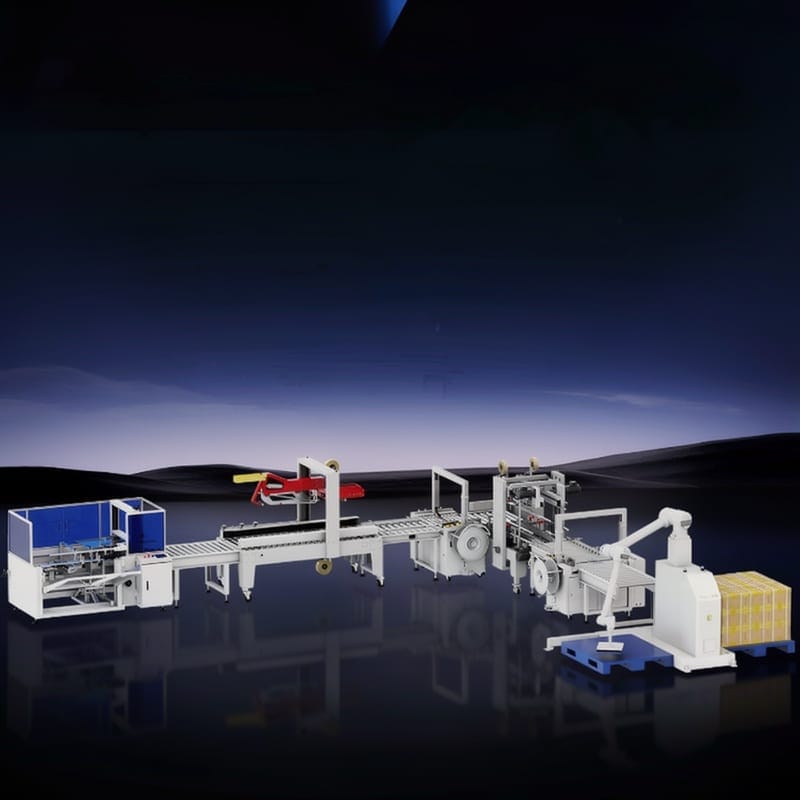
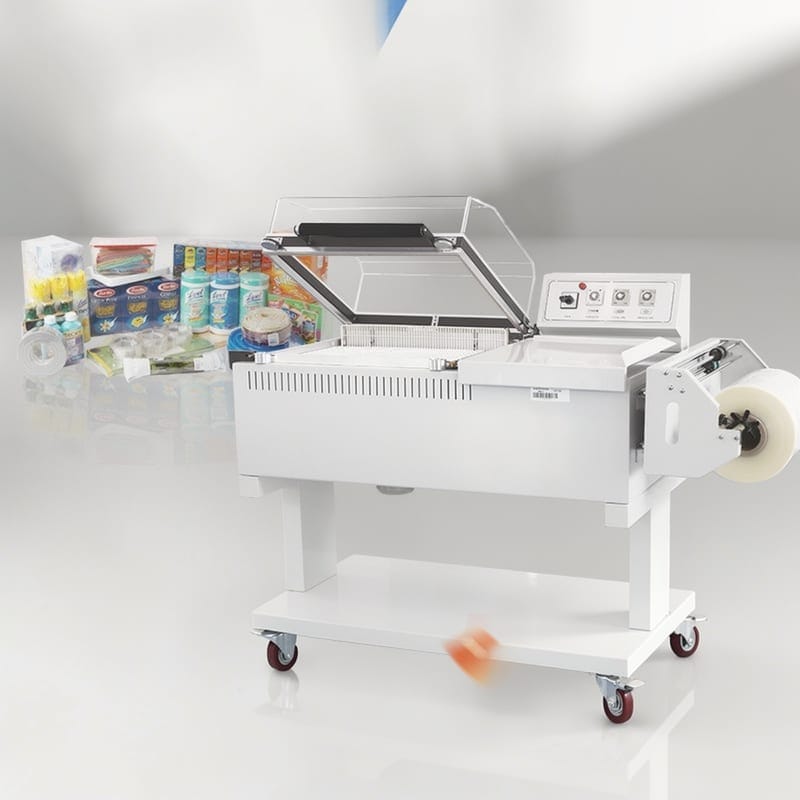
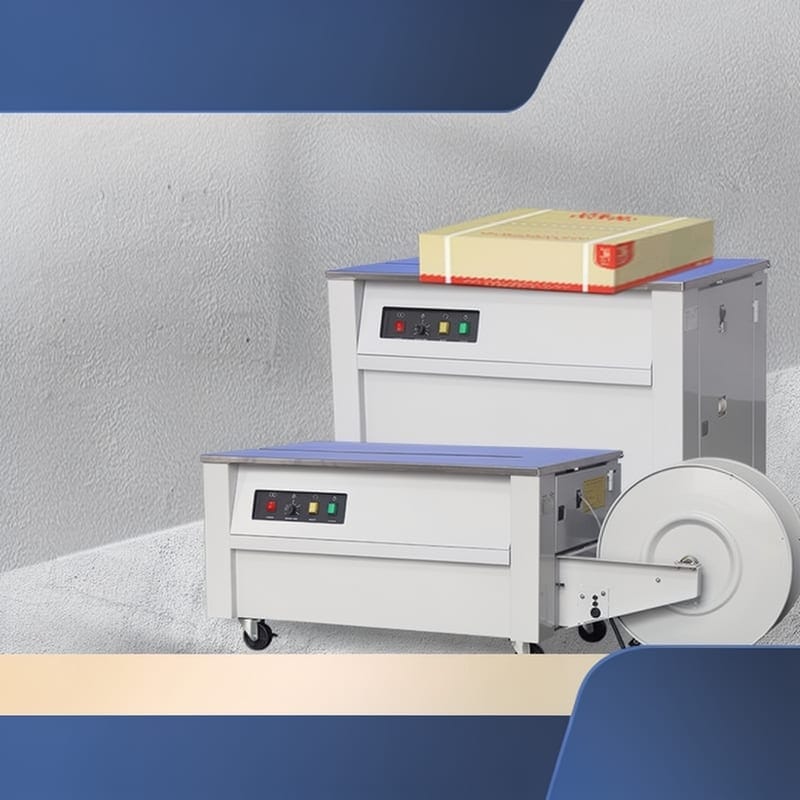
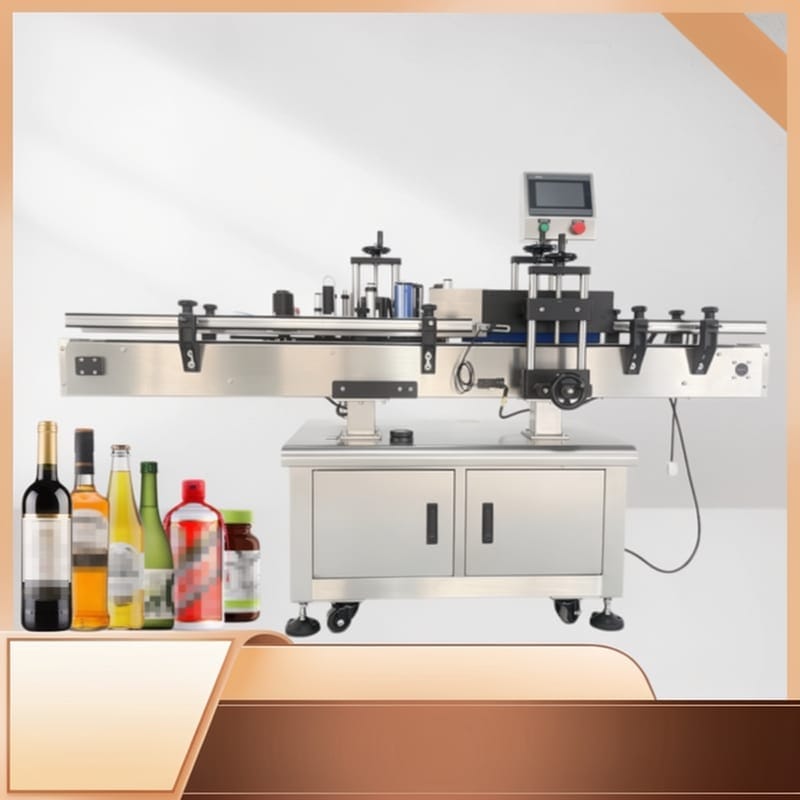
Organised by packaging process, not by listing. Every model page shows reference specifications, supplier routes and the items that must be confirmed before quoting.

0 reference models
0 supplier routes
0 verified listings
0 product categories
By the job

Start with the job, then the model

The wrong machine is usually the wrong scenario, not the wrong number. These are the four situations this equipment is actually bought for.

Where this is used

Find your situation, then the equipment

The same machine behaves differently depending on the business around it. These are the places this equipment actually gets bought to work — and what it changes.

Central kitchens & food prep

One kitchen producing for many outlets, where consistency across batches is the whole point.

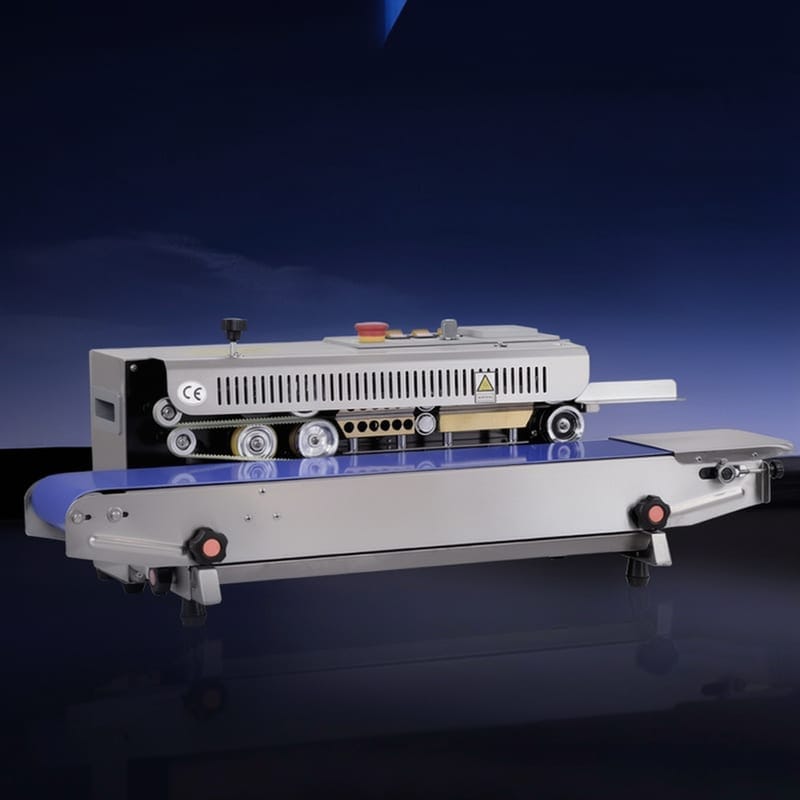
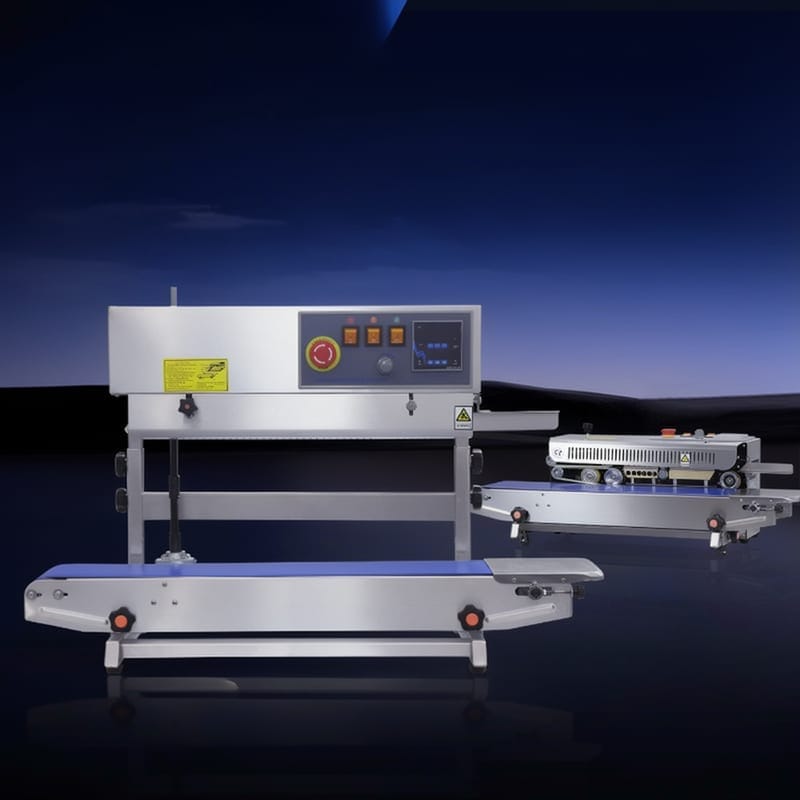
30–60 bags/min vs 8–12 by hand Continuous band sealer with one operator against hand sealing.

What has to move
Portioned product sealed for onward transport, in volumes that make a hand-tying step the bottleneck.
What changes
A band sealer closes the bag as it passes, so the seal stops depending on who is on the station and how tightly they tied it. That is what makes the batch consistent rather than merely sealed.

Takeaway & delivery kitchens

Peak windows measured in minutes, and an order that leaves the door has to survive the trip.

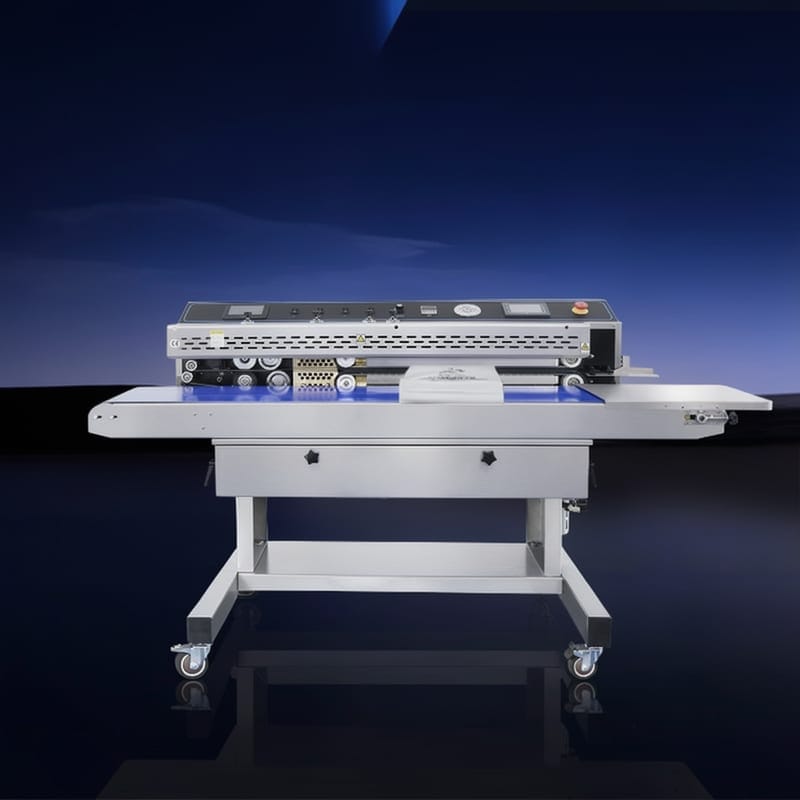
One pass instead of two Integrated date coder removes the separate marking step.

What has to move
Fast throughput, high seal integrity, and someone who has to read the date on the pack before it goes out.
What changes
A date coder on the sealer puts the mark on in the same pass that closes the bag — one action instead of two, which is what keeps the line moving when orders stack up.

Bubble tea & beverage shops

Many small bags of toppings and powders, portioned daily, in a space with no room for a production line.

Setting stays put between shifts Sealers hold temperature and speed, so output stops depending on who set it up.

What has to move
Portion control and sealing of small pouches, repeatedly, by whoever is free at that moment.
What changes
A compact sealer on the back counter turns portioning into a single pass — and because it holds its setting, the person sealing today does not have to be the person who set it up.

Western restaurants & bistros

Sous-vide, portioning and prep-ahead — where the pack has to hold a vacuum and a temperature.

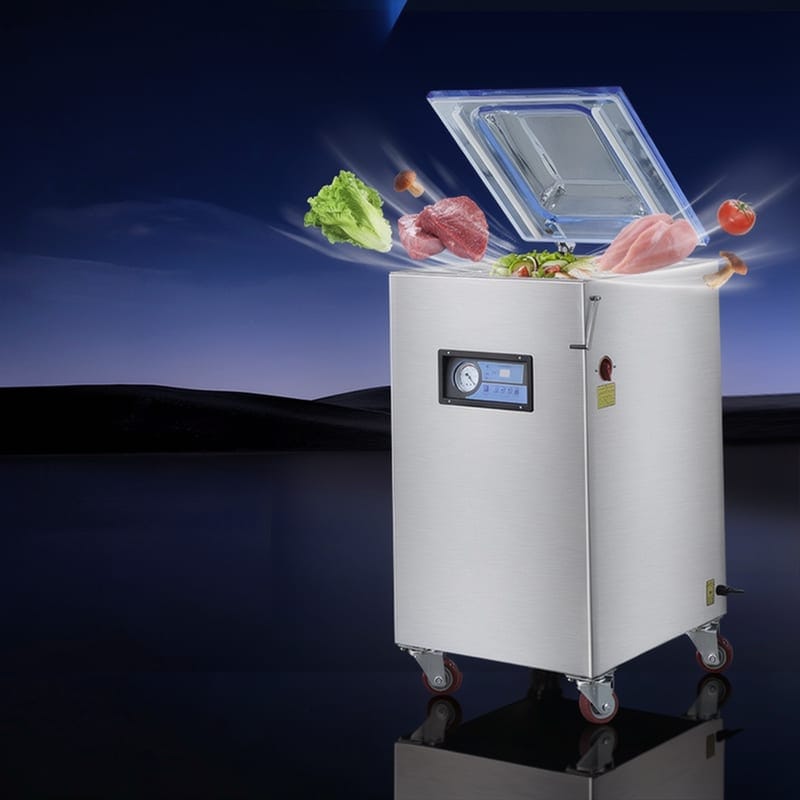
Wet product still seals Chamber machines evacuate the whole bag, not just the mouth.

What has to move
Protein and vegetable portions vacuum-sealed before cooking or chilling, in batches that have to be repeatable.
What changes
A chamber machine pulls the vacuum from the whole bag rather than the mouth, so liquids and wet product do not defeat the seal — which is what normally limits what a kitchen can prep ahead.

Chinese restaurants & banquet kitchens

Large volumes prepped early, held correctly, and finished to order when the room fills.

Prep moves out of the peak Work done before service is work the line does not do during it.

What has to move
Bulk prep in bags and trays, chilled or frozen, then reheated — plus takeaway packing at the same stations.
What changes
Vacuum packing ahead of service moves work out of the peak: what gets sealed during prep is what the line does not have to prepare while orders are coming in.

Butchers & meat packing

Wet, cold product that has to be packed fast, and a counter where the pack is what the customer judges.

Colour holds, so more can be packed ahead Vacuum removes the oxygen that browns meat.

What has to move
Cuts and mince portioned, vacuum-sealed, weighed and dated, in a chilled room.
What changes
Vacuum removes the air that turns meat brown, so the colour on the shelf stops being the limiting factor on how much can be packed ahead. Stainless contact surfaces are what make it cleanable in a meat room.

Supermarkets & central packing

Multiple stores supplied from one packing room, on a schedule that cannot slip.

30–60 bags/min per sealer Line-rate figure; actual output depends on upstream filling.

What has to move
Trays, pouches and bags at volume, packed to a standard that has to look the same in every store.
What changes
At this volume the question stops being "which machine" and becomes "which line": sealing, filling and the consumables have to be specified together, or the seal settings spend their life chasing a different bag.
Packaging Machine Parts & Consumables

Packaging Machine Parts & Consumables

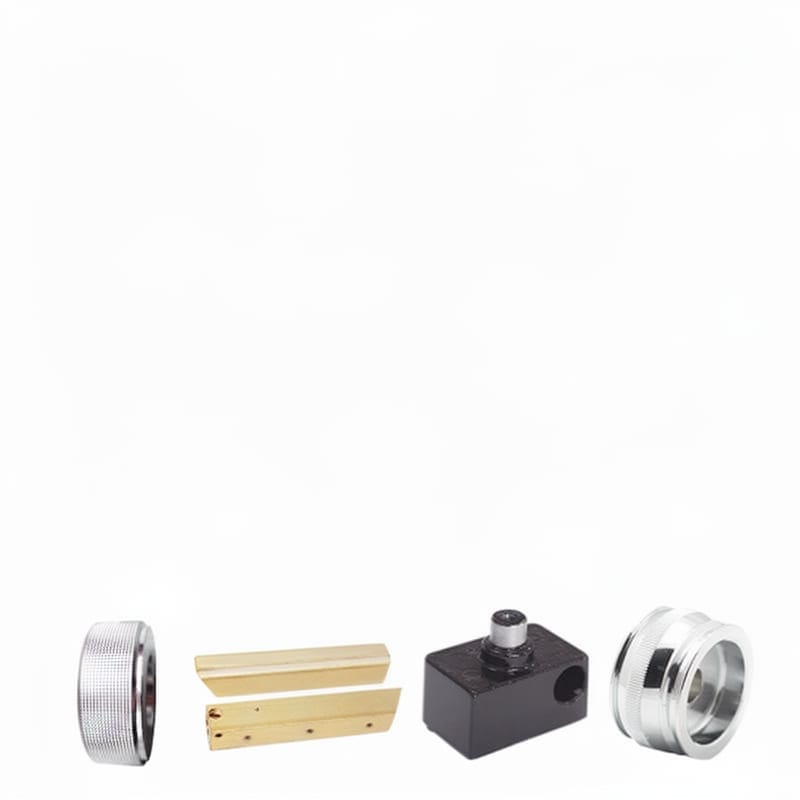
Sealing bands, coding wheels and wear parts. — 1 reference model.

Need a specific configuration?

Tell us the product, output rate, pack format and destination — we will compare suitable routes for you.