Home / Solutions / Container & Loading Operations
Electric ForkliftsContainer & Loading Operations
Load, unload, and handle the machine that does it.
Two problems live here. The first is handling inside a container, which is a height and free-lift problem. The second is how the machines themselves ship — masts come off, tyres may come off, and how many fit in a 40HQ is a real number we calculate, not estimate.
Container work has two separate problems. Working inside a container needs free lift, because the mast must raise the forks without increasing overall height. Shipping the machine is a disassembly decision: whether the mast comes off, whether the tyres come off, and the resulting CBM and weight per unit, which is what your forwarder prices against.
Container & Loading Operations
The environment comes first, the machine second. Each item below changes the final selection.
Container type (20GP / 40GP / 40HQ)
Sets the internal height and therefore the mast decision
Whether the machine works inside the container
Decides whether full free lift is required
Knocked-down shipping acceptable or not
Changes the CBM per unit and the number of units per container
Dock or ramp access at destination
Decides whether a ramp-capable machine is needed
Constraint → specification
This is what the constraint actually turns into on a specification sheet.
| Site condition | Turns into |
|---|---|
| Forklift must work inside the container | |
| Maximum units per container required | |
| Rough or uneven yard at destination | |
| Reassembly capability at destination |
Documents to request from a supplier
Not "is it certified", but which specific document, and who issues it.
- Loading plan with CBM and weight per unit
- Disassembly and reassembly instructions
- Lifting points and centre-of-gravity information
- Container stuffing sequence with bracing detail
How this application commonly goes wrong
Described by type — no supplier is named.
Quoting freight before the loading plan exists, then discovering the units do not fit as assumed.
Assuming a machine will fit through a container door without checking the collapsed height with the mast down.
Shipping knocked down without confirming anyone at destination can reassemble it safely.
Configurations for this application
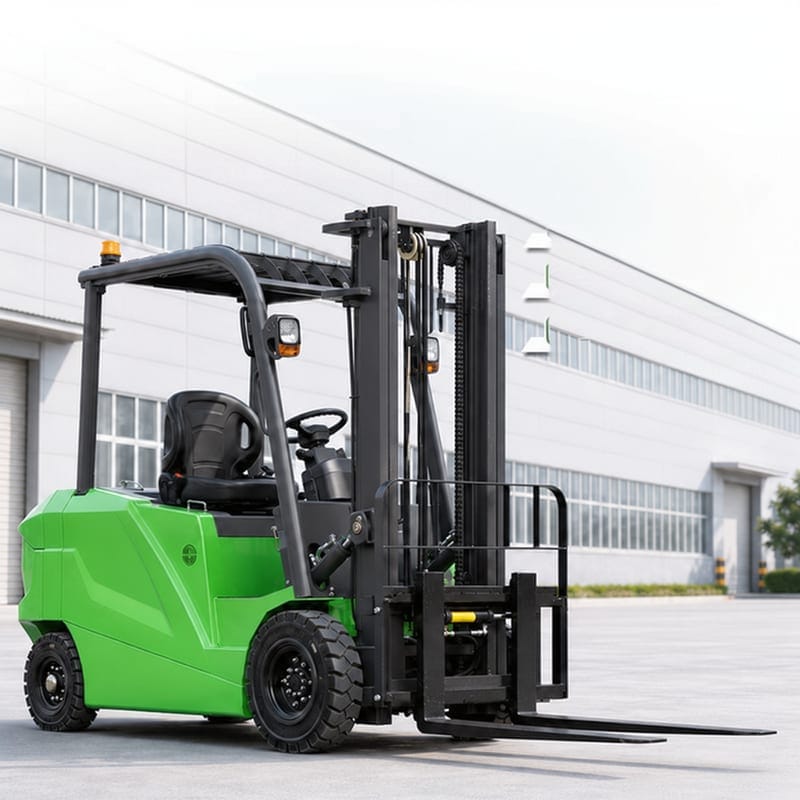
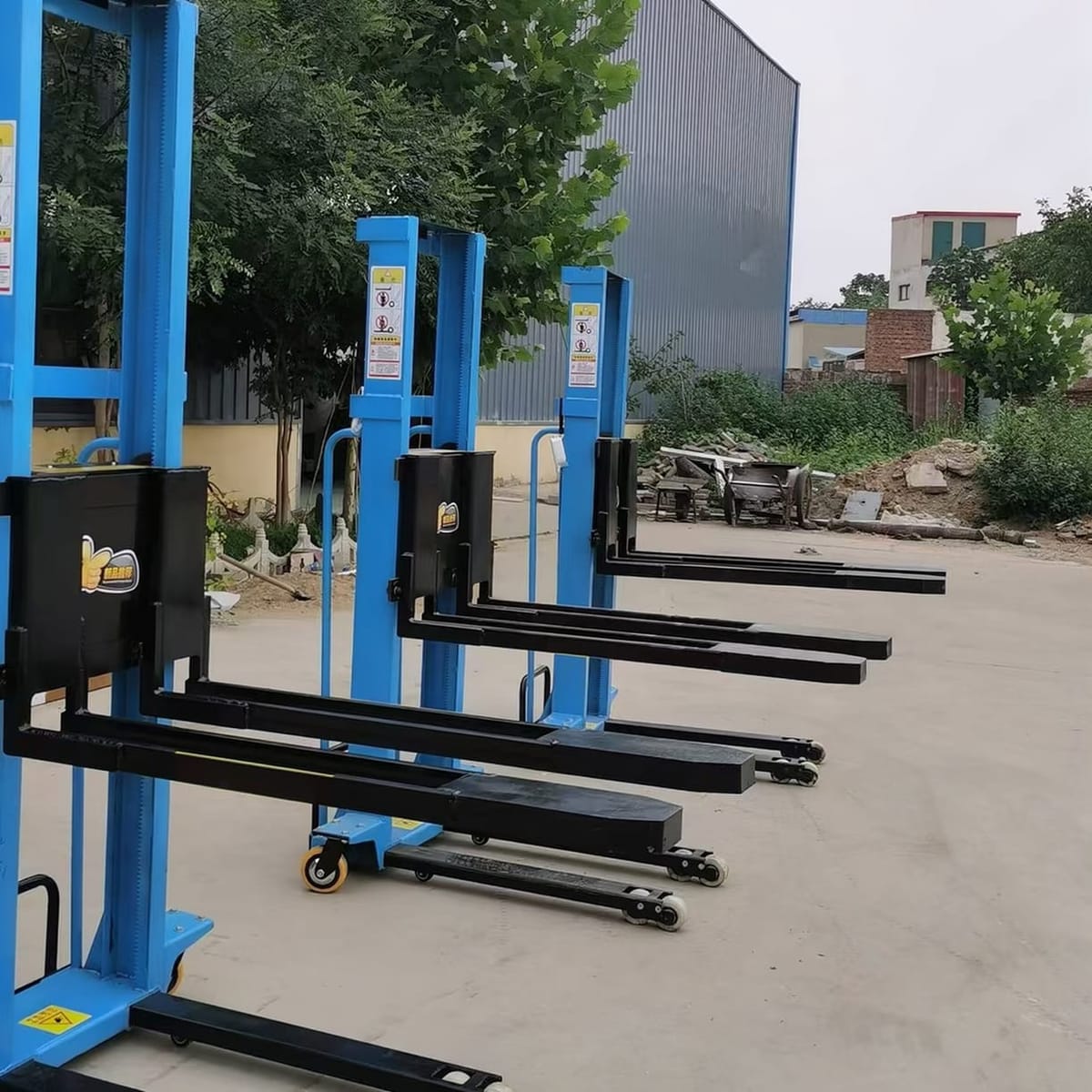
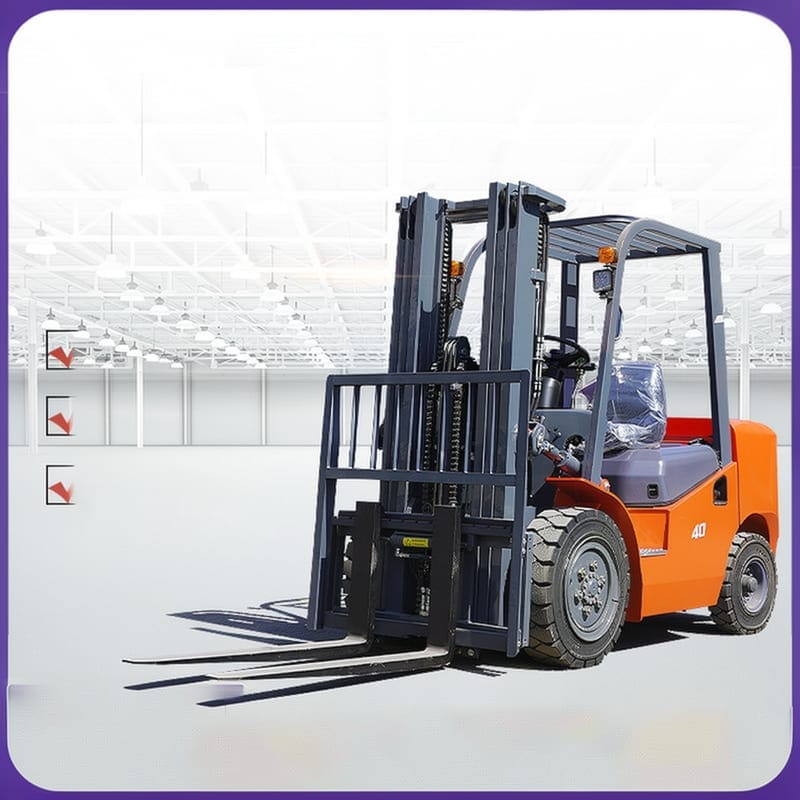
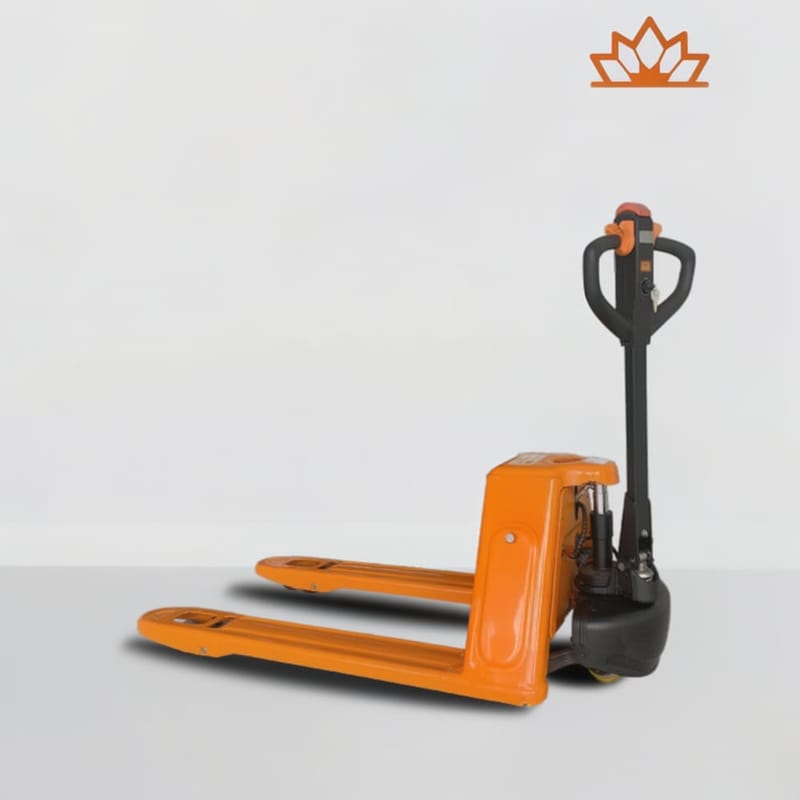
Compared on one identical specification, not quoted separately.
Common questions
How many forklifts fit in a 40HQ container?
It is calculated, not estimated. It depends on the machine size, the mast type, whether masts and tyres are removed, and how the units are braced. The number that matters to your forwarder is the CBM and weight per unit; once we have the loading plan, both are known. We do not publish a blanket figure because it would be wrong for most configurations.
Do you supply the freight quote?
No. Freight is quoted by your forwarder against the loading plan we provide. What we supply is the accurate CBM, weight and bracing detail, which is what a freight quote is actually built on.
What is free lift and why do I need it?
Free lift lets the forks rise inside the mast without the overall height increasing. Without it, a truck that fits through the container door when empty may not fit once the forks are raised. If your machine works inside containers or under low openings, this is a requirement, not an option.
Can the mast be shipped separately?
Often, yes, and it is a common way to fit more units per container. It does mean reassembly at destination, which needs the right lifting equipment and a competent fitter. We will confirm what the route supports before you commit.
Send us the actual conditions
Ground, load, output, destination — those four settle which application this is and which questions matter.