Home / Solutions / Warehousing & Distribution
Electric ForkliftsWarehousing & Distribution
Move pallets fast, in tight aisles, all shift.
The core question here is not capacity, it is the aisle. A 2-ton truck that cannot turn in your aisle is a 2-ton problem. We start from racking height, aisle width, door openings and shifts per day, then decide whether counterbalance, reach or stacker is actually the right machine.
Warehouse forklift selection is decided by the aisle and the racking, not by the heaviest load. Measure aisle width at the narrowest point, racking height at the highest beam, and door openings, then size the machine to fit those limits. A truck that cannot turn or lift to height is unusable regardless of its rated capacity.
Warehousing & Distribution
The environment comes first, the machine second. Each item below changes the final selection.
Aisle width at the narrowest point
Often set by a single pillar or door frame, not the average
Racking height to the highest beam
Decides mast stage count and whether free lift is required
Floor loading and surface
Decides tyre type and whether a heavy battery pack is viable
Shifts per day and charging window
Decides lead-acid versus lithium more than any other factor
Constraint → specification
This is what the constraint actually turns into on a specification sheet.
| Site condition | Turns into |
|---|---|
| Aisle narrower than ~3 m | Reach truck or articulated truck instead of counterbalance |
| Low door frames or mezzanine levels | Three-stage mast with full free lift |
| Two or three shifts | Lithium with opportunity charging, or a battery swap plan |
| High lifts over 5 m | Higher mast stage count, plus a capacity check at height |
Documents to request from a supplier
Not "is it certified", but which specific document, and who issues it.
- Load chart showing capacity at your maximum lift height
- Battery and charger specification sheet
- Wear-parts list with part numbers
- Packing and loading plan with CBM per unit
How this application commonly goes wrong
Described by type — no supplier is named.
Sizing on rated capacity alone, then discovering the truck cannot lift that load to the required height — capacity falls as lift height rises.
Buying a wider machine than the aisle allows, which forces a redesign of the racking layout after delivery.
Choosing lead-acid for two-shift duty without a ventilated charging room or a spare battery set.
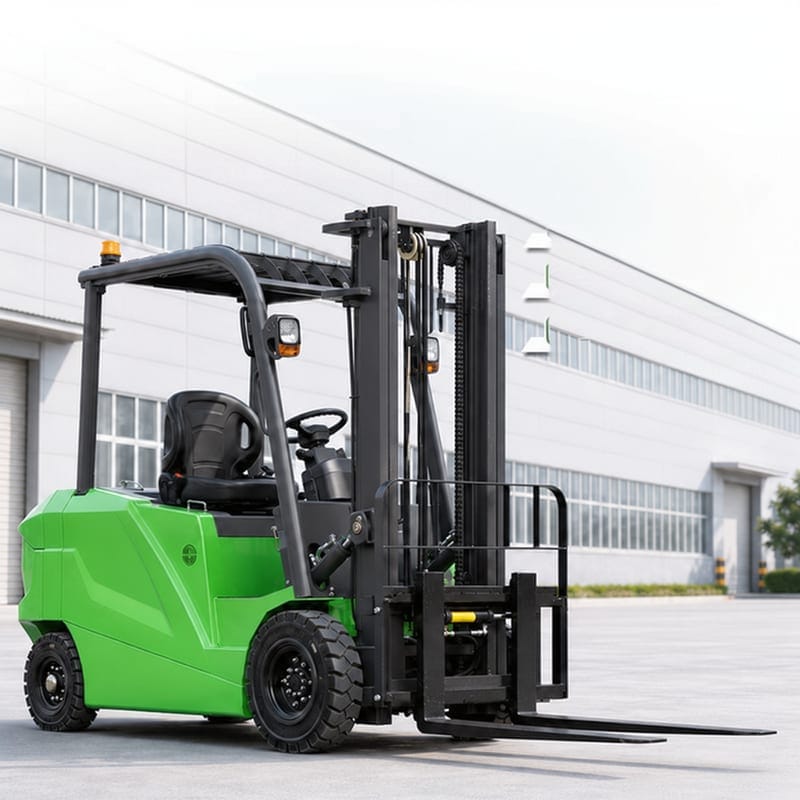
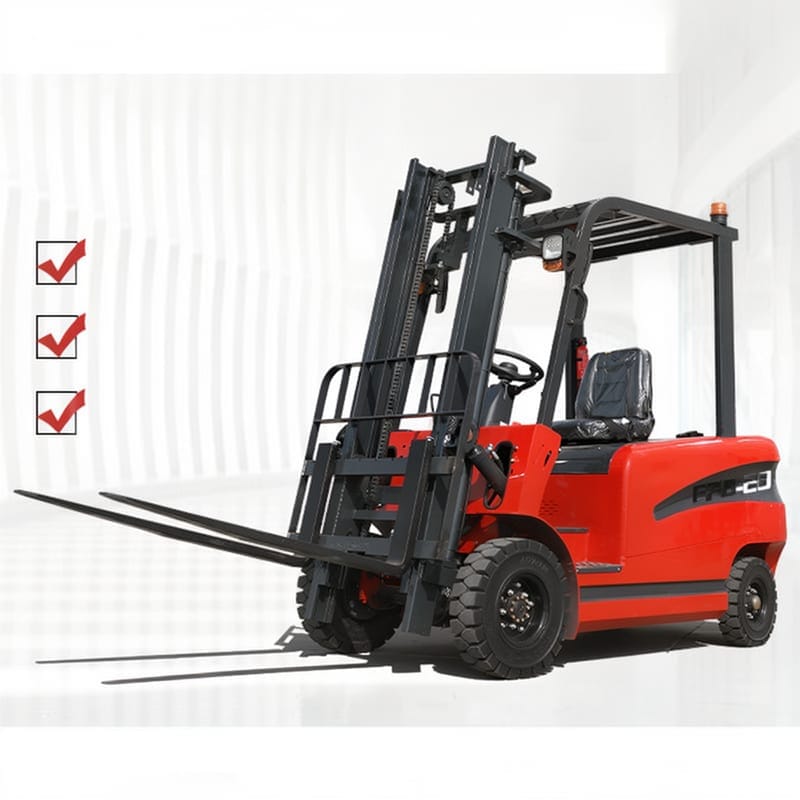
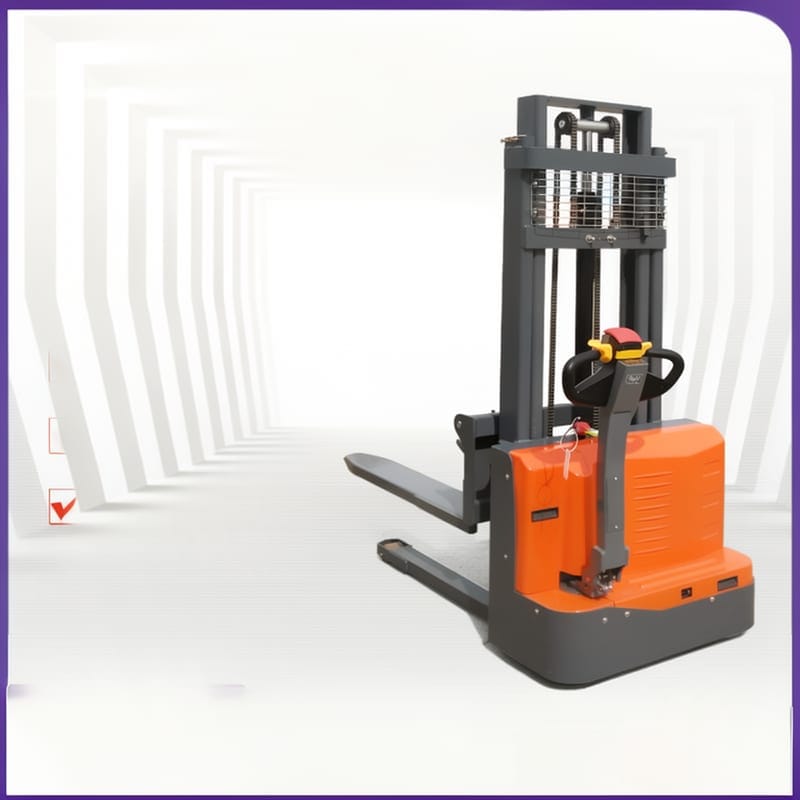
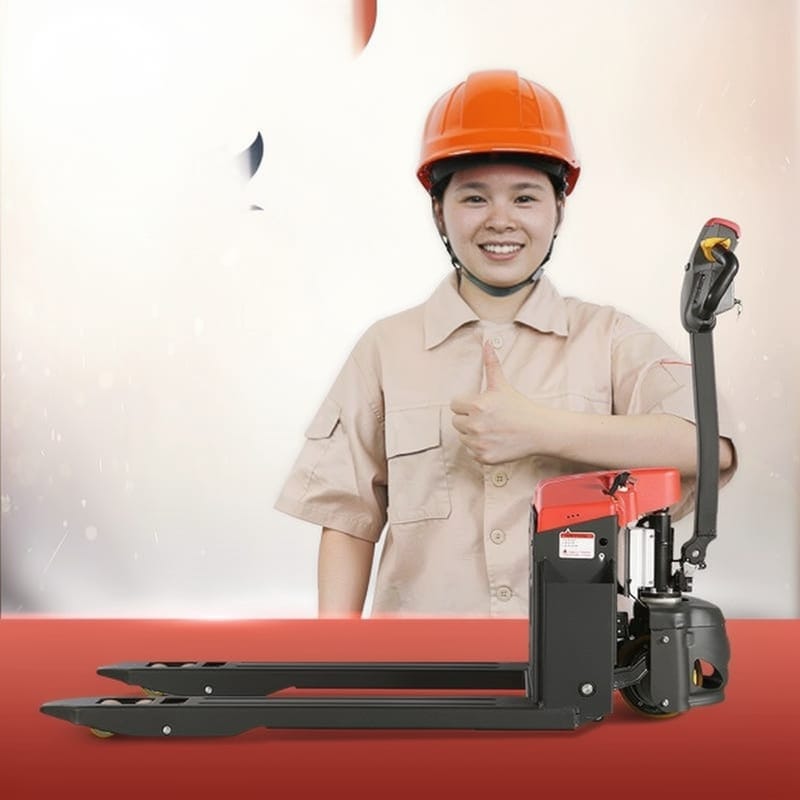
Configurations for this application
Compared on one identical specification, not quoted separately.
Common questions
What aisle width do I need for a counterbalance truck?
It depends on the truck length and its turning radius, not just its width. A 2-ton counterbalance typically needs a wider aisle than a reach truck of the same capacity. Give us the aisle measurement and we will tell you which machine types fit, rather than guessing from the capacity class.
Do I need a reach truck or a counterbalance truck?
Reach trucks are built for narrow aisles and high racking because the mast moves forward rather than the whole truck turning. Counterbalance trucks are more flexible across mixed duties and outdoor yards. If your warehouse is racking-only and the aisle is tight, reach is usually the honest answer.
How many chargers do I need for two shifts?
It follows from the shift pattern and the battery strategy. With lead-acid and two shifts you typically need either a spare battery set per truck or a charging room sized for simultaneous charging. With lithium, opportunity charging during breaks can remove the spare set. We work it out from your actual hours.
Can you supply the racking too?
No. Our two lines are forklifts and sealing and packaging equipment. If racking layout is the constraint, we will tell you that the aisle decision has to be settled first — but we do not quote racking.
Send us the actual conditions
Ground, load, output, destination — those four settle which application this is and which questions matter.