Home / All answers / Sealing & packaging
Sealing & packagingShould I buy a manual or an automatic can seamer?
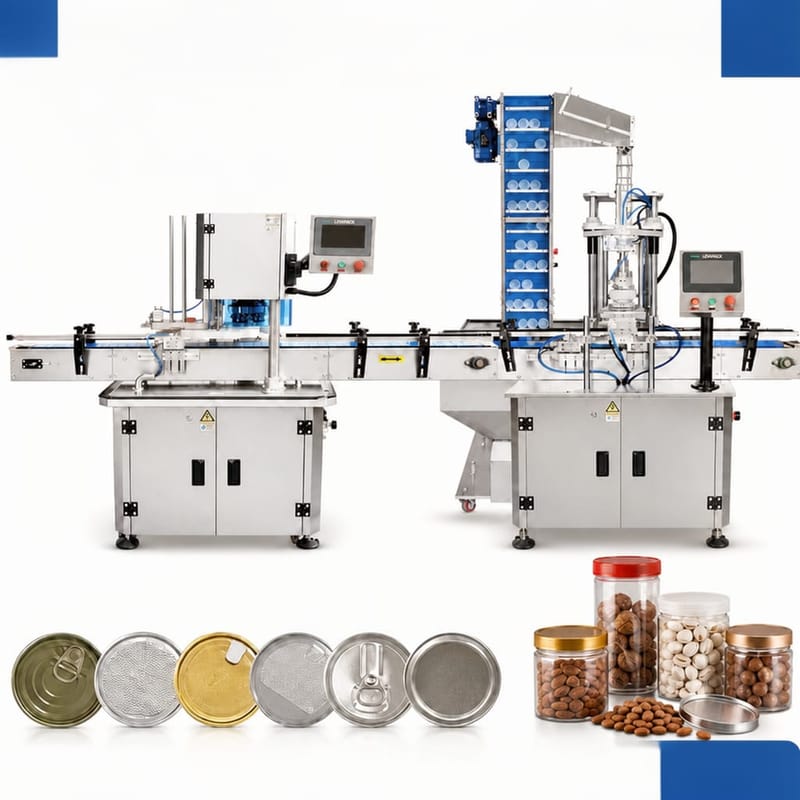
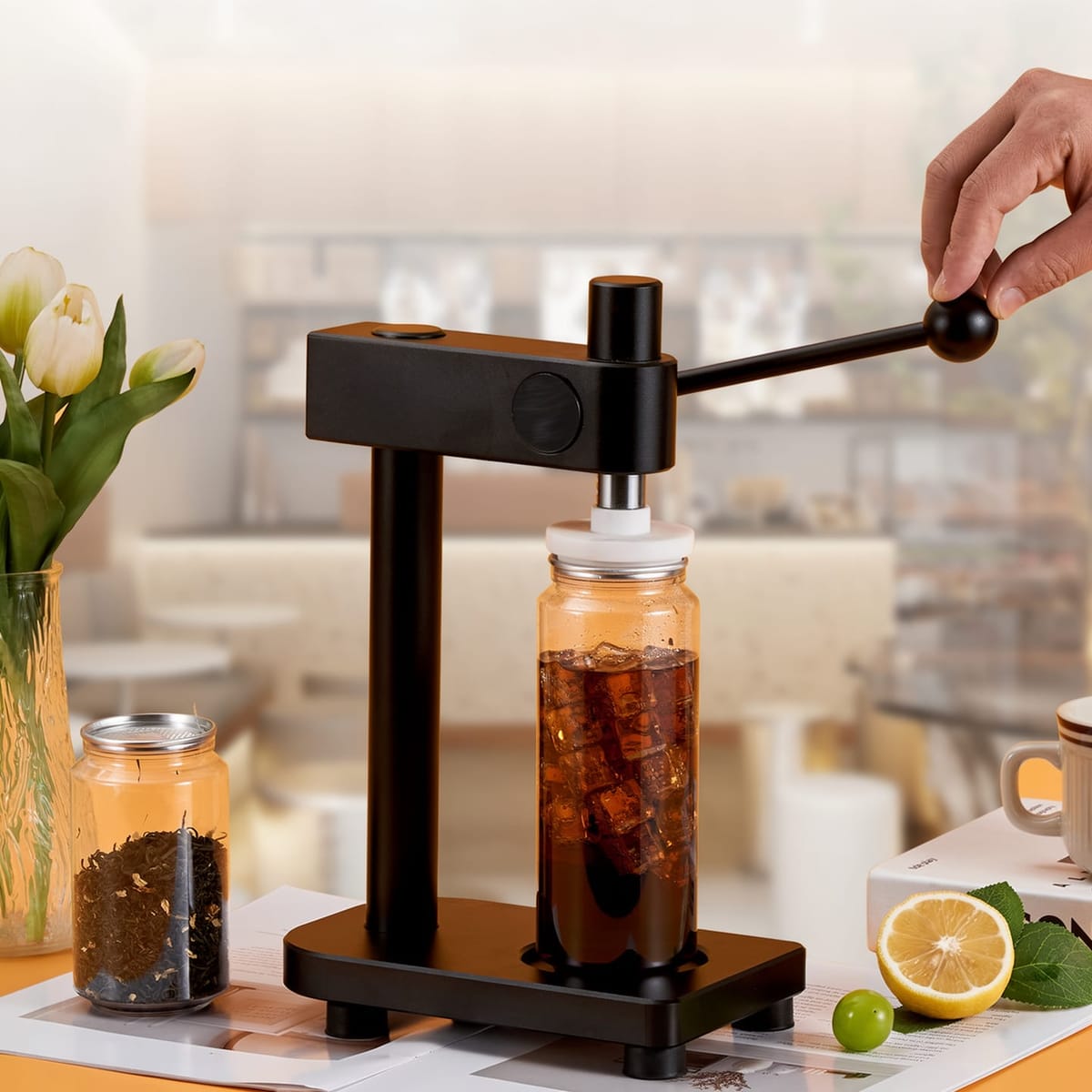
The decision is output against changeover. A manual or semi-automatic seamer is slower but changes can sizes quickly, which suits craft production and multiple SKUs. An automatic seamer runs steadily with less operator dependence, but changeover takes longer and it only pays if volume justifies it.
In more detail
If you run one can size at high volume, automation is easy to justify. If you rotate between several sizes, the arithmetic changes, because every changeover costs setup time and requires the seam to be re-verified afterwards.
A manual or semi-automatic machine puts more of the work on the operator but keeps changeover short, which is what craft breweries, jam and sauce producers and small dairies usually need. An automatic machine reduces operator dependence once it is set up and running, which matters where labour availability is the constraint and the format is stable.
Either way, the seam check does not go away. It has to be done against a specification with a gauge and a written procedure, whether the machine is automatic or not. What changes with automation is how often you have to intervene, not whether you have to verify.
A useful way to frame it: count how many can sizes you will actually run in a month, and how many times you will change between them. That number, more than the headline throughput, tells you which type fits.
Confirm before acting
- How many can sizes you run and how often you change between them
- Target cans per hour or per day
- Whether labour availability is the constraint
- Whether change parts for each can size are available
- How the seam will be verified after each changeover
Related configurations
Related questions
Another question?
Send the actual conditions — we will tell you what needs confirming first and which routes we can compare.