Home / Comparisons / Manual / semi-automatic vs Automatic
Manual / semi-automatic vs Automatic
Can seaming is unforgiving: a poor seam leaks and spoils. The type of machine matters less than whether the seam itself can be set up and verified — but the type decides how much of your day goes into doing that.
Below a few thousand cans a day, a manual or semi-automatic seamer with fast changeover usually beats an automatic one; above that, automation starts to pay.
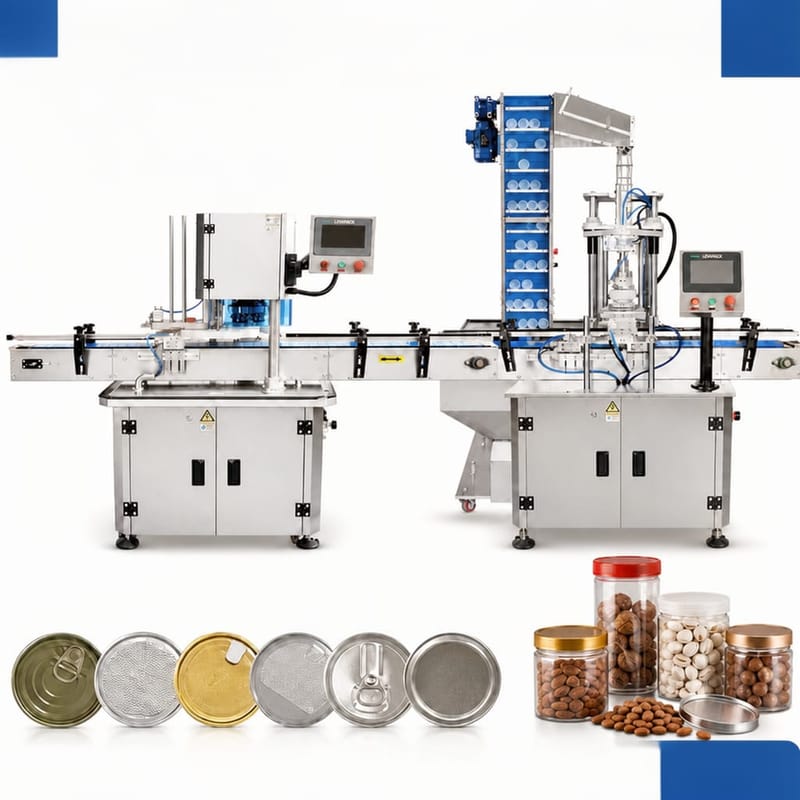
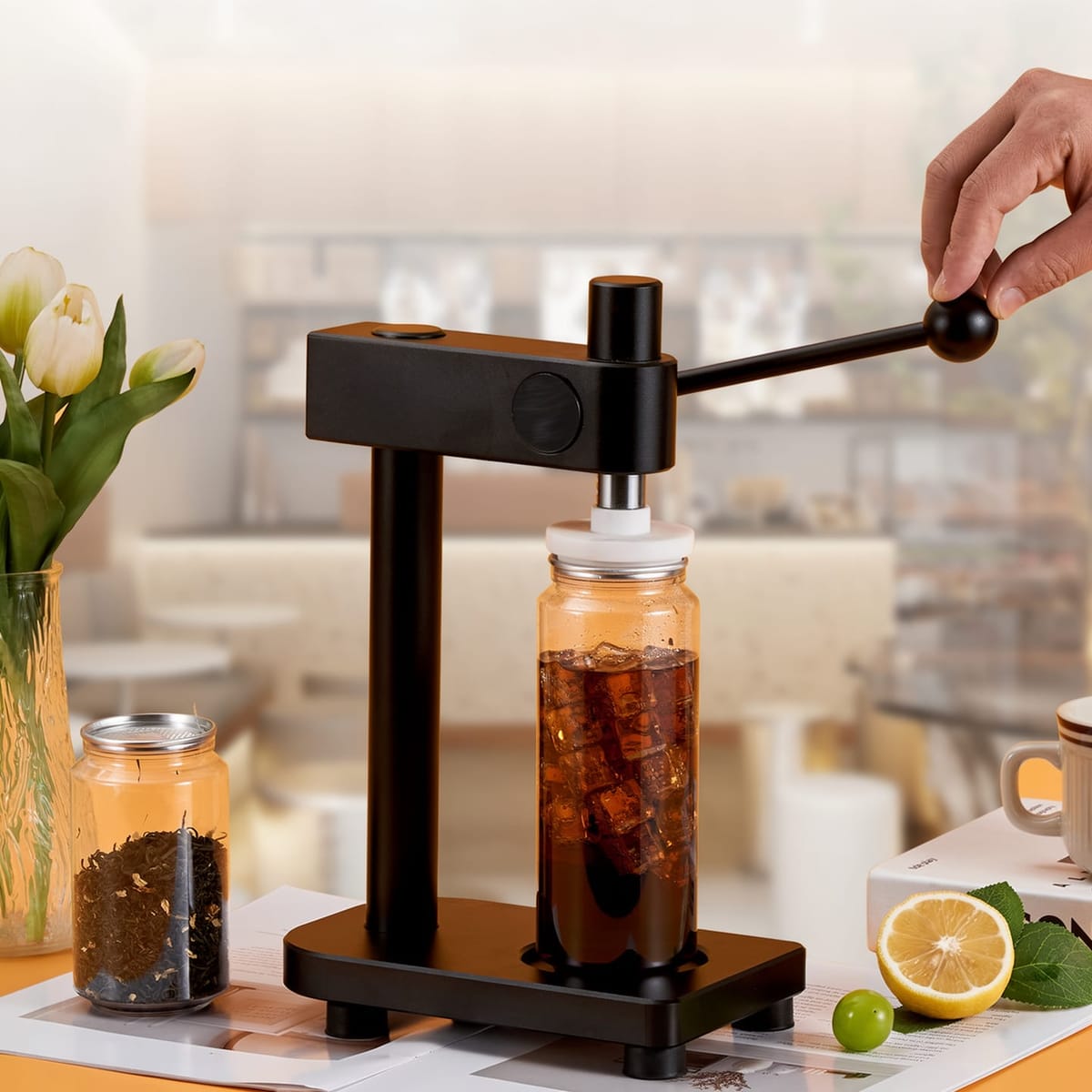
The decision is output against changeover. A manual or semi-automatic seamer is slower but changes between can sizes quickly, which suits craft production and multiple SKUs. An automatic seamer runs at a steady rate with less operator dependence, but changeover takes longer and the machine only pays if the volume justifies it.
Manual / semi-automatic · Automatic
| Dimension | Manual / semi-automatic | Automatic |
|---|---|---|
| Output | Lower; governed by the operator | Steady and higher; less operator-dependent |
| Changeover between can sizes | Fast; suited to multiple SKUs | Slower; each change needs setup and re-verification |
| Operator skill | Higher dependence on the operator | Lower, once set up and running |
| Seam consistency | Depends on the operator and the setup | More repeatable once correctly set |
| Footprint and cost | Smaller, lower cost | Larger, higher cost |
| Best volume | Small batch, craft, trial production | Sustained high volume, few can sizes |
| What still matters | Seam verification and roller condition | Seam verification, roller condition and setup discipline |
| Best fit | Craft breweries, jam and sauce, small dairies | Contract canning, large-volume single-format production |
Choose this when Manual / semi-automatic
- Multiple can sizes or SKUs in rotation
- Output is modest or seasonal
- Floor space is limited
- The operator can be trained on seam checks
Choose this when Automatic
- Sustained high volume on one or two can sizes
- Labour availability is the constraint
- Consistency across shifts is critical
- Volume justifies the capital and changeover time
Confirm before you order
Once these are settled, the choice usually stops being contentious.
- Can diameter and height, including every size you will run
- Target cans per hour or per day
- How often you change between can sizes
- Whether a seam inspection gauge and procedure are provided
- Roller and chuck availability as spare parts
Related configurations
Common questions
How do I know the seam is correct?
By inspecting it, not by trusting the machine. A seam has to be measured against a specification — typically a seam thickness and body hook measurement — and that requires a gauge and a written procedure. Ask for both, and ask whether the gauge is supplied.
Can one machine handle several can sizes?
Usually yes, with change parts. What changes is the time and the discipline required for each change, and whether the seam has to be re-verified after it. That is the real cost of running multiple SKUs on one machine.
Is a semi-automatic machine accurate enough?
Accuracy comes from the setup and the verification, not from the automation level. A correctly set semi-automatic machine can produce a good seam; an automatic machine that is never verified can still produce a bad one.
What should I order with the machine?
At minimum, the change parts for each can size you run, and a spare set of the rollers and chucks that wear. Those are the items that stop production, and waiting for an international parcel on a wear part is an avoidable delay.
Other comparisons
Not sure which case you are?
Describe the actual conditions — load, site, destination — and we will place it and tell you which questions matter.