Home / Solutions / Food Processing Plants
Forklift + PackagingFood Processing Plants
Move raw material, then seal the finished pack.
This is the one application that crosses both of our lines, which is why it is the most common combination our buyers ask for. Inbound handling needs electric machines because there is no diesel exhaust indoors; outbound packaging needs a sealer that matches your product, film and line speed.
A food plant needs two things from equipment: no combustion exhaust indoors, and a seal that matches the product, film and line speed. Inbound handling is therefore electric, and outbound sealing is selected backwards from the pack — bag material and thickness, product weight and moisture, target packs per minute.
Food Processing Plants
The environment comes first, the machine second. Each item below changes the final selection.
Indoor air quality rules
Rules out diesel handling inside the production hall
Washdown and cleaning regime
Decides enclosure rating and stainless content
Product weight, moisture and temperature
Decides sealer type and seal parameters
Target output in packs per minute
Decides manual, semi-automatic or inline equipment
Constraint → specification
This is what the constraint actually turns into on a specification sheet.
| Site condition | Turns into |
|---|---|
| Raw material moved indoors all shift | Electric counterbalance or pallet truck, no exhaust |
| Product is liquid or has high moisture | Chamber vacuum rather than external suction sealing |
| Rigid cans or tins | Can seamer sized to the can diameter and height |
| High output on one pack format | Inline continuous sealer with a matched conveyor |
Documents to request from a supplier
Not "is it certified", but which specific document, and who issues it.
- Contact-material statement for any food-contact surface
- Seal parameter sheet for your film
- Electrical specification and enclosure rating
- Wear-parts list, including seal bars and belts
How this application commonly goes wrong
Described by type — no supplier is named.
Buying a sealer on pack width alone, then finding the film or the product moisture will not seal at that speed.
Specifying an external vacuum sealer for a wet or powdery product, where a chamber machine was the only workable route.
Ignoring washdown requirements at selection stage, so the machine cannot be cleaned to the standard the plant runs to.
Configurations for this application
Compared on one identical specification, not quoted separately.
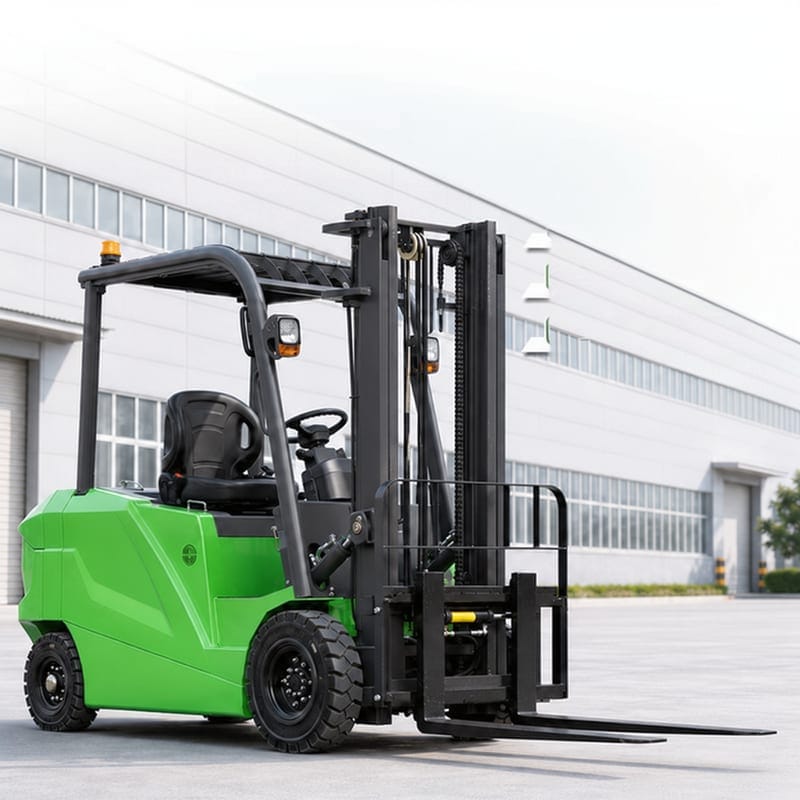
2 Ton Electric Forklift
2,000 kg
8 supplier routes
View configuration →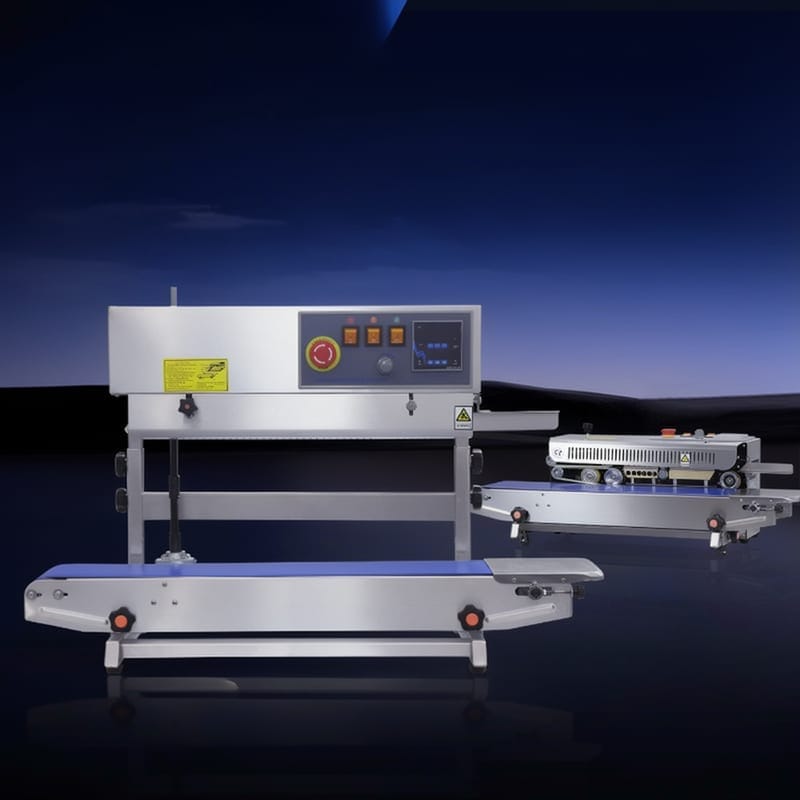
Vertical Continuous Band Sealer
Sealing & Packaging
3 supplier routes
View configuration →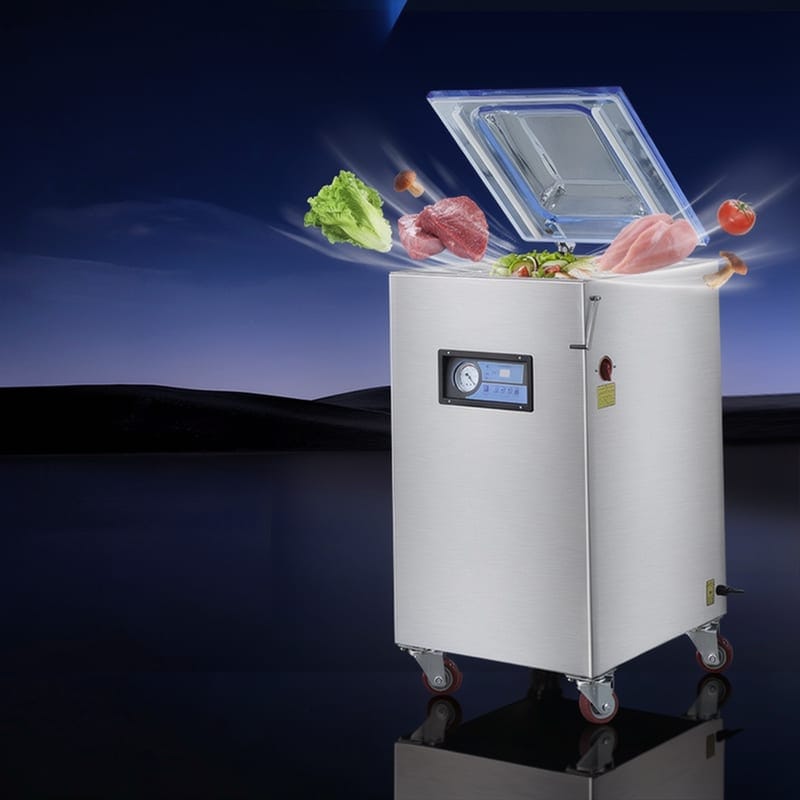
Chamber Vacuum Packaging Machine
Sealing & Packaging
7 supplier routes
View configuration →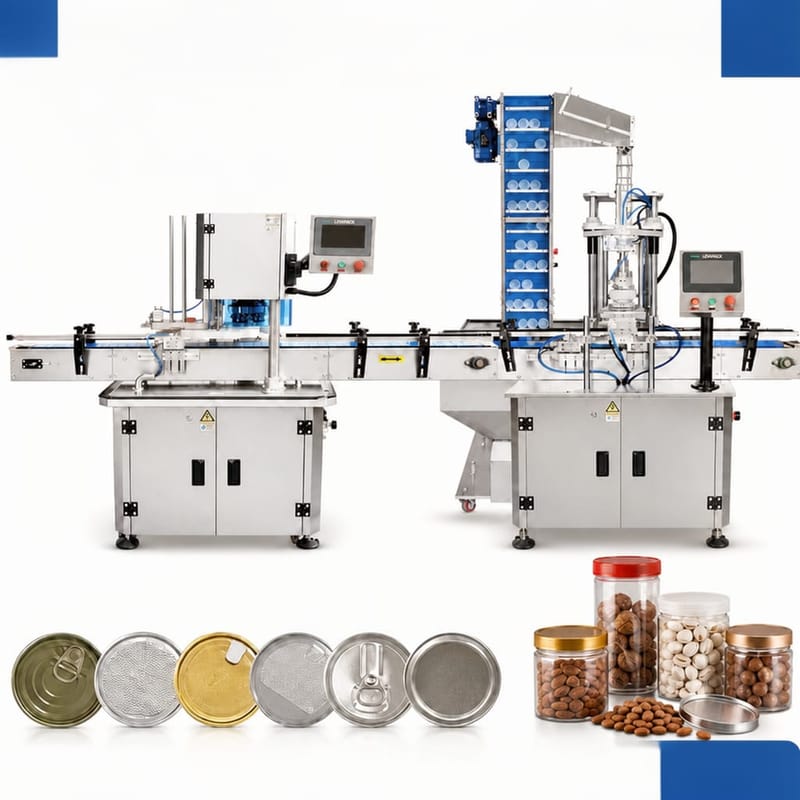
Automatic Can Seamer
Sealing & Packaging
6 supplier routes
View configuration →Common questions
Can you supply a complete packaging line?
We coordinate the sealing and packaging equipment and the handling equipment around it, quoted on one configuration. We do not claim to build an integrated PLC-controlled line as a single turnkey contract — if your requirement is a full automated line, say so and we will be explicit about which parts we can source and which need a specialist integrator.
Do the machines come with food-contact certification?
We do not assert certification. What we do is obtain the contact-material statement for the food-contact surfaces from the supplier and share the document name and issuing party, so you can verify it against your own market requirements.
Can the equipment run on our plant voltage?
Voltage and phase must be confirmed before ordering, because the same machine is built for several markets. Tell us the site voltage, phase and plug type, and we will confirm what the route offers rather than assuming a match.
What about spare seal bars and belts?
These are the wear items that stop a line. We map the wear-parts list at quotation stage and can include a first set of spares in the same shipment, so you are not waiting on an international parcel for a consumable.
Send us the actual conditions
Ground, load, output, destination — those four settle which application this is and which questions matter.