Home / Solutions / Cold Storage & Freezers
Forklift + PackagingCold Storage & Freezers
Work at temperature without losing capacity or battery.
Cold changes the calculation on both sides. Battery capacity drops in low temperature, and condensation is a real electrical risk. Free lift on the mast matters because the machine often works inside a trailer. On the packaging side, film behaviour changes with temperature.
In a cold store the constraint is the temperature, not the load. Battery usable capacity falls as ambient temperature drops, condensation makes electrical protection critical, and a machine that has to work inside a trailer needs free lift so the forks rise without increasing overall height.
Cold Storage & Freezers
The environment comes first, the machine second. Each item below changes the final selection.
Operating temperature, and for how long
Decides battery type and whether a heated charging area is needed
Entry into a trailer or container
Decides whether full free lift is mandatory
Condensation and defrost cycles
Decides electrical protection and where the charger lives
Floor ice and drainage
Decides tyre compound and traction expectations
Constraint → specification
This is what the constraint actually turns into on a specification sheet.
| Site condition | Turns into |
|---|---|
| Constant sub-zero operation | |
| Working inside a trailer | |
| Charging area inside the cold zone | |
| Vacuum packing chilled product |
Documents to request from a supplier
Not "is it certified", but which specific document, and who issues it.
- Battery capacity curve at your operating temperature
- Charger temperature rating
- Mast free-lift figures and overall height
- Film specification and recommended seal settings
How this application commonly goes wrong
Described by type — no supplier is named.
Sizing the battery from the nameplate capacity, which is quoted at a reference temperature the cold store never sees.
Fitting a standard two-stage mast, then discovering the truck cannot enter a trailer with the forks raised.
Placing the charger inside the freezer room without checking its temperature rating.
Configurations for this application
Compared on one identical specification, not quoted separately.
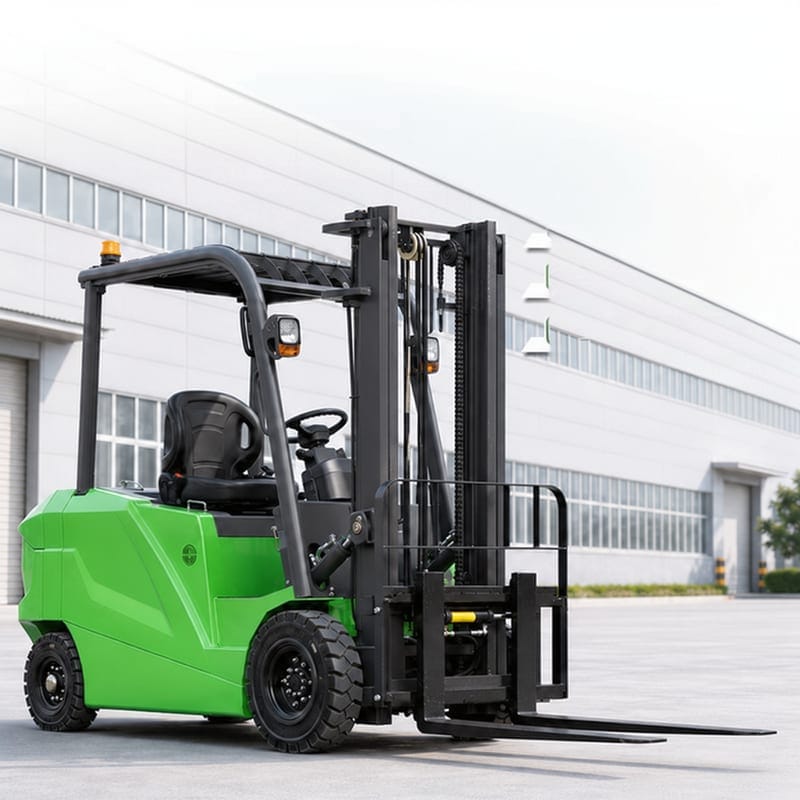
2 Ton Electric Forklift
2,000 kg
8 supplier routes
View configuration →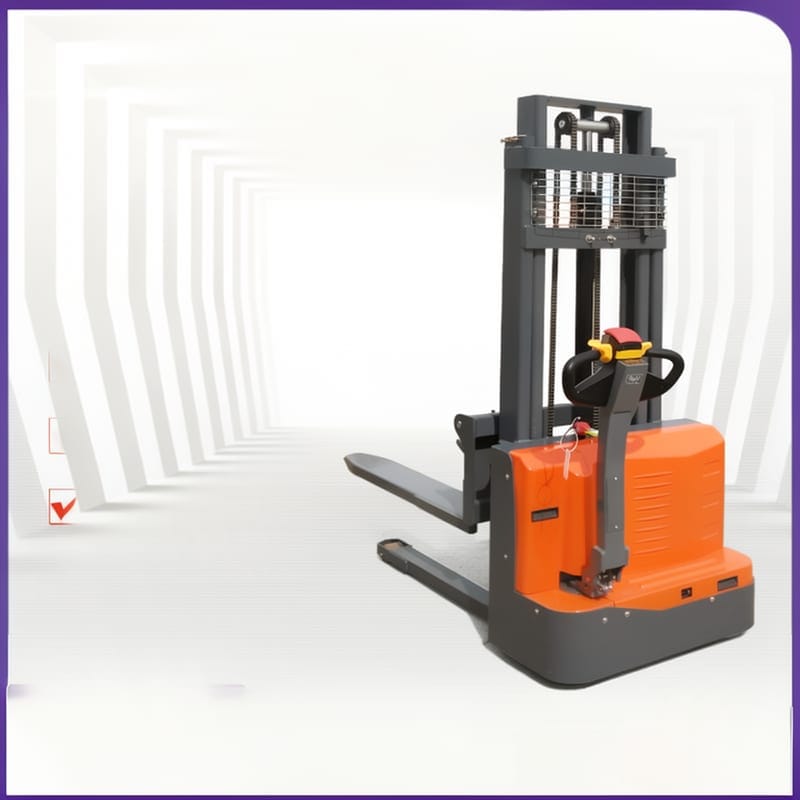
1.5–2 Ton Electric Stacker
1,500–2,000 kg
5 supplier routes
View configuration →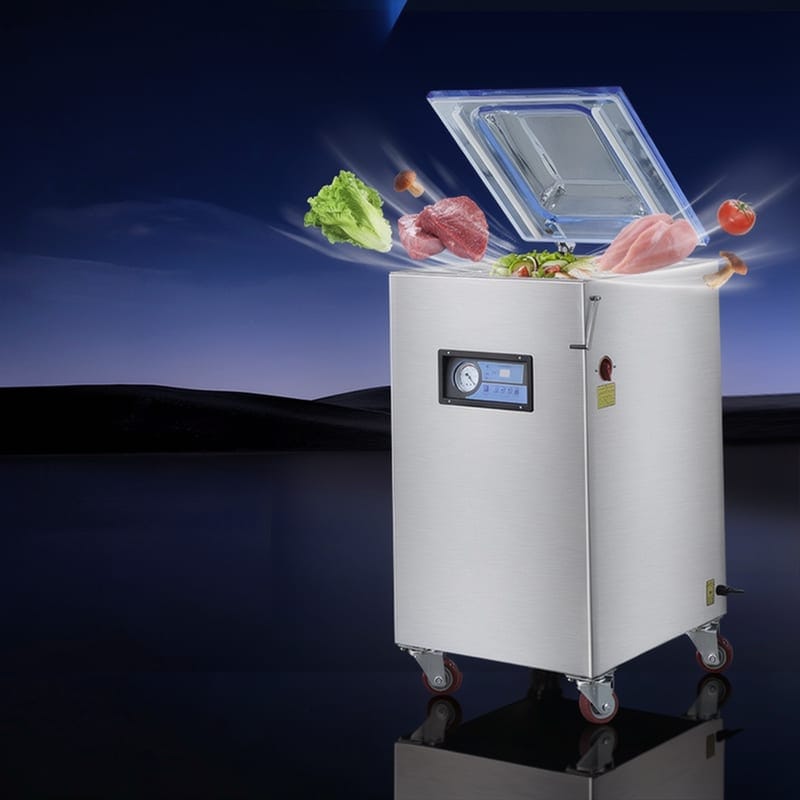
Chamber Vacuum Packaging Machine
Sealing & Packaging
7 supplier routes
View configuration →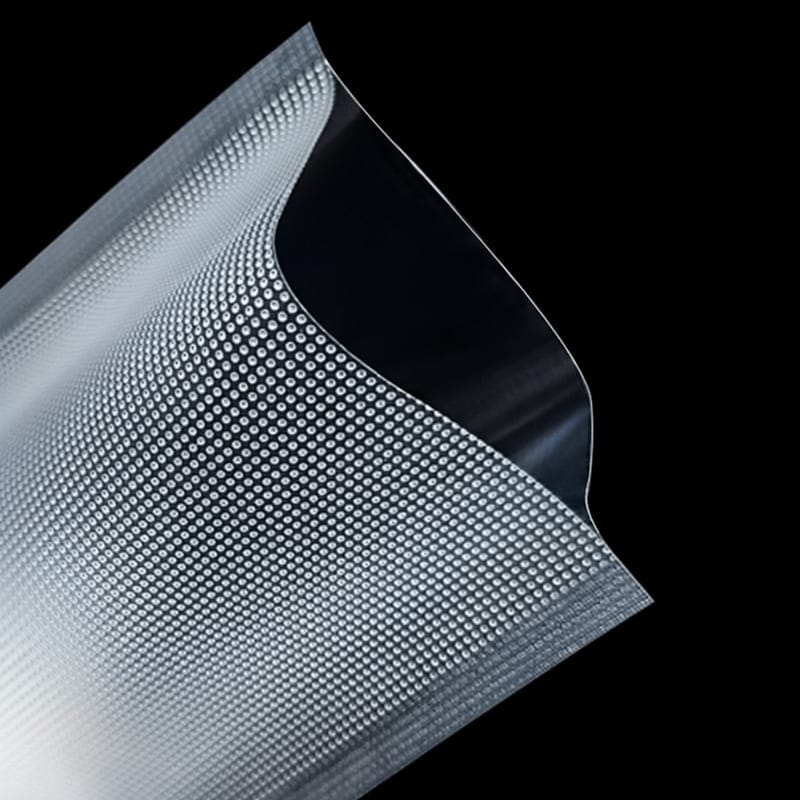
Vacuum Sealer Bags & Rolls
Sealing & Packaging
11 supplier routes
View configuration →Common questions
Lithium or lead-acid in a freezer?
It depends on temperature, hours in the cold zone and whether you can charge outside it. Lithium generally tolerates opportunity charging better and has no watering, but low-temperature charging behaviour has to be confirmed against the specific battery, not assumed. Lead-acid is simpler but its usable capacity falls in the cold and it needs ventilation.
Why does free lift matter so much in cold storage?
Because cold stores are usually loaded through a trailer or a low dock opening. Free lift lets the forks rise inside the mast without adding to the truck height, which is the difference between driving in loaded and hand-balling at the door.
Will the vacuum packer seal properly at low temperature?
Film behaviour changes with temperature, so seal parameters that work in a warm room may not hold in a chilled one. We confirm the film specification and recommended settings rather than assuming a setting transfers.
Do you supply insulated or heated cabs?
That depends on the route and the configuration. Tell us the operating temperature and the hours in the cold zone and we will confirm what the route offers — we will not claim a cab specification we have not verified.
Send us the actual conditions
Ground, load, output, destination — those four settle which application this is and which questions matter.