Home / Solutions / Yard & Rough Ground
Electric ForkliftsYard & Rough Ground
Deal with outdoor ground, weather and heavy loads.
Outdoors, tyre choice and ground clearance decide more than capacity. Solid tyres that are perfect indoors will punish you on gravel. This is also where we have to be honest about electric versus diesel, because some yards genuinely need the diesel route.
On rough ground, tyre type and ground clearance decide whether the load moves at all — capacity is secondary. Solid tyres suit smooth indoor floors; pneumatic tyres are needed for gravel and soil. For long outdoor shifts without reliable charging, a diesel route is often the honest recommendation rather than an electric one.
Yard & Rough Ground
The environment comes first, the machine second. Each item below changes the final selection.
Ground surface: concrete, gravel, soil
Decides tyre type before anything else
Gradient and ramps
Decides whether gradeability has to be checked against the load
Shift length and charging access
Decides whether electric is genuinely practical
Dust, rain and shelter
Decides filtration, sealing and whether a cab is needed
Constraint → specification
This is what the constraint actually turns into on a specification sheet.
| Site condition | Turns into |
|---|---|
| Gravel or packed soil | |
| Long outdoor shifts, no reliable charging | |
| Ramps with loaded travel | |
| Heavy dust or weather exposure |
Documents to request from a supplier
Not "is it certified", but which specific document, and who issues it.
- Tyre type and size specification
- Gradeability figures at working load
- Filtration and sealing specification for dusty sites
- Service access requirements for the engine or drive
How this application commonly goes wrong
Described by type — no supplier is named.
Buying electric for an outdoor yard with no charging infrastructure, then running out of capacity mid-shift.
Fitting solid tyres on gravel, where traction and ride quality both collapse.
Assuming rated gradeability applies at full load on a wet ramp.
Configurations for this application
Compared on one identical specification, not quoted separately.
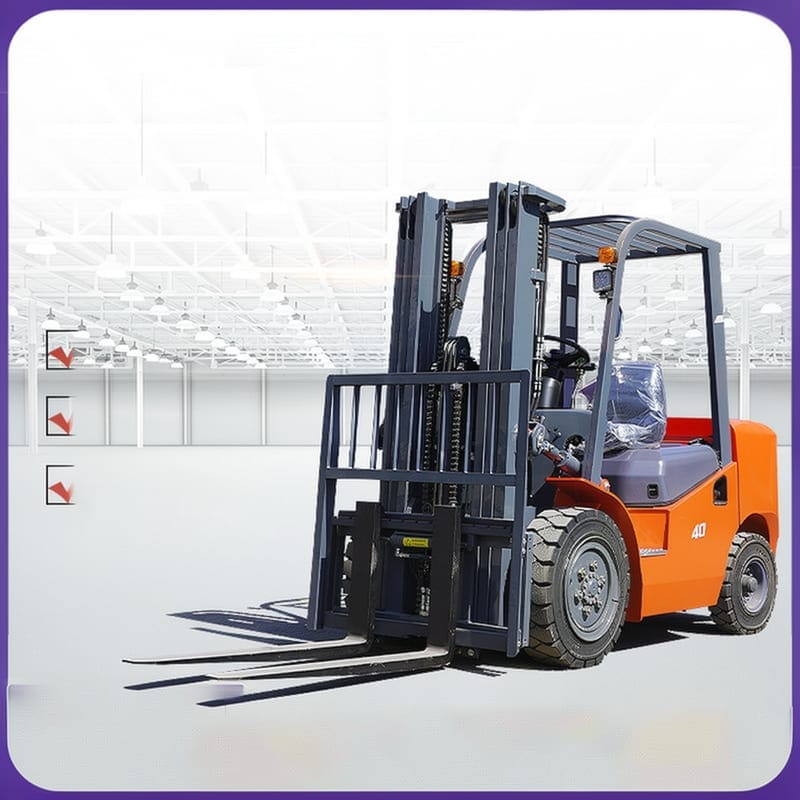
3.5 Ton Diesel Forklift
3,500 kg
2 supplier routes
View configuration →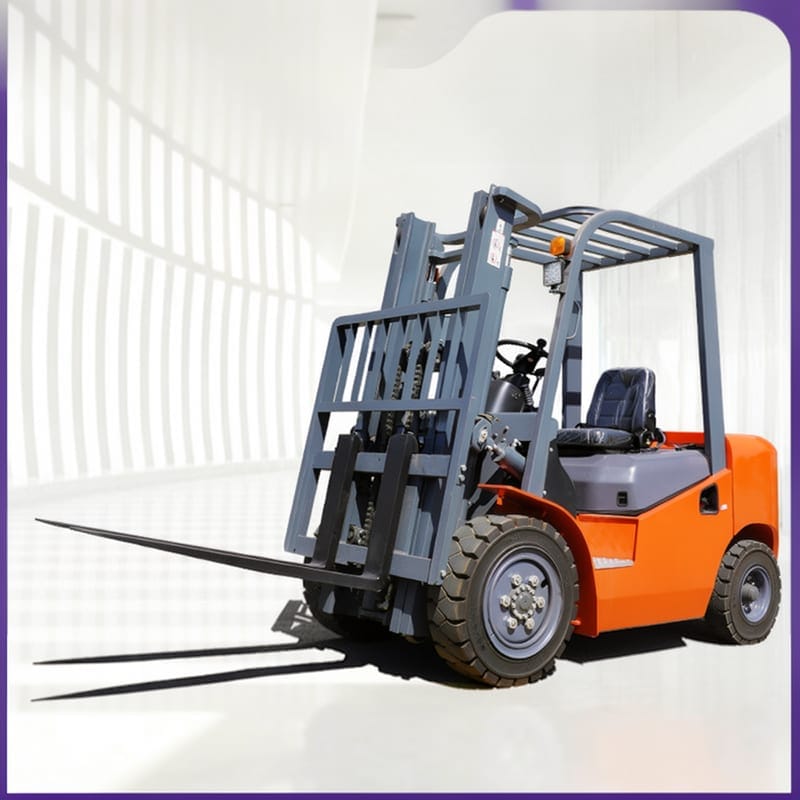
Rough Terrain & 4WD Diesel Forklift
3,000–12,000 kg depending on model
3 supplier routes
View configuration →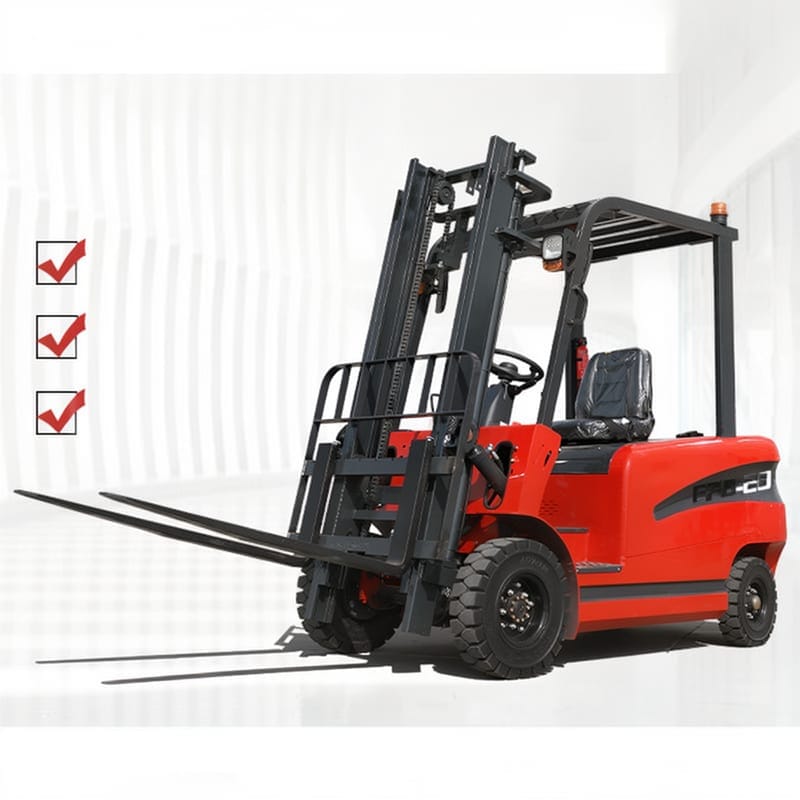
3 Ton Electric Forklift
3,000 kg
9 supplier routes
View configuration →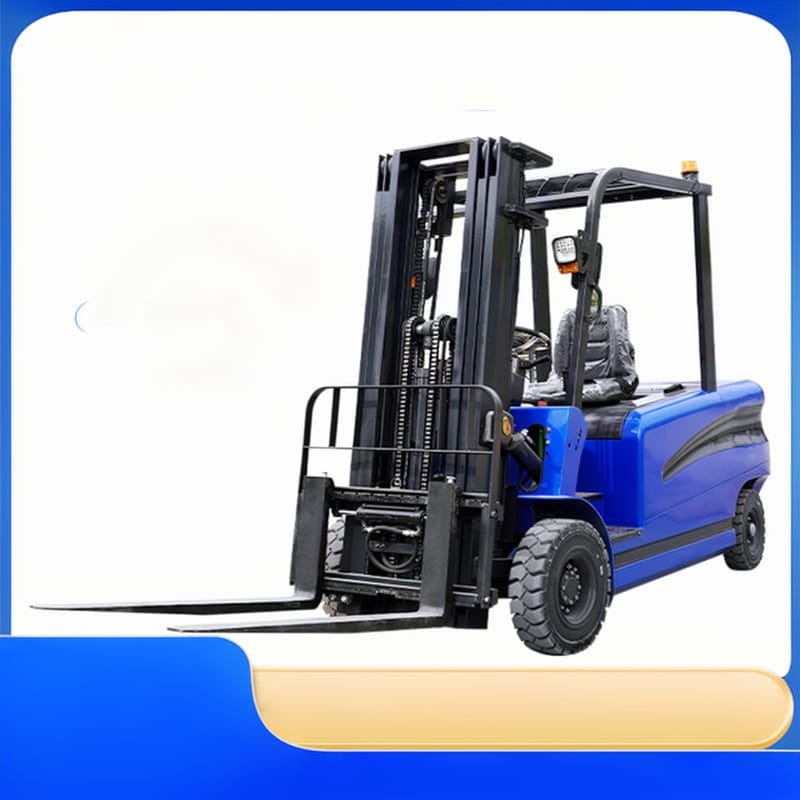
4–5 Ton Electric Forklift
4,000–5,000 kg
7 supplier routes
View configuration →Common questions
Electric or diesel for an outdoor yard?
It comes down to shift length, charging access and ground conditions. Short shifts with reliable charging and smooth ground favour electric, which has no exhaust and lower running cost. Long shifts on rough ground without charging infrastructure favour diesel. We will recommend against electric when the site does not support it.
Can I use an electric truck outdoors?
Yes, on firm and reasonably smooth surfaces, and with charging access. The limiting factors are tyre type, ground clearance and whether you can charge between shifts — not the fact that it is outdoors.
Do you supply rough-terrain machines?
Rough-terrain and diesel routes are part of the forklift line, and they are on the site. Tell us the surface, gradient and duty cycle and we will confirm which routes fit rather than defaulting to a standard counterbalance.
What about attachments for outdoor work?
Attachment compatibility depends on the carriage class, so it has to be checked against the specific machine. Tell us what you need to handle — bales, blocks, drums, bags — and we will confirm the carriage class and mounting standard.
Send us the actual conditions
Ground, load, output, destination — those four settle which application this is and which questions matter.